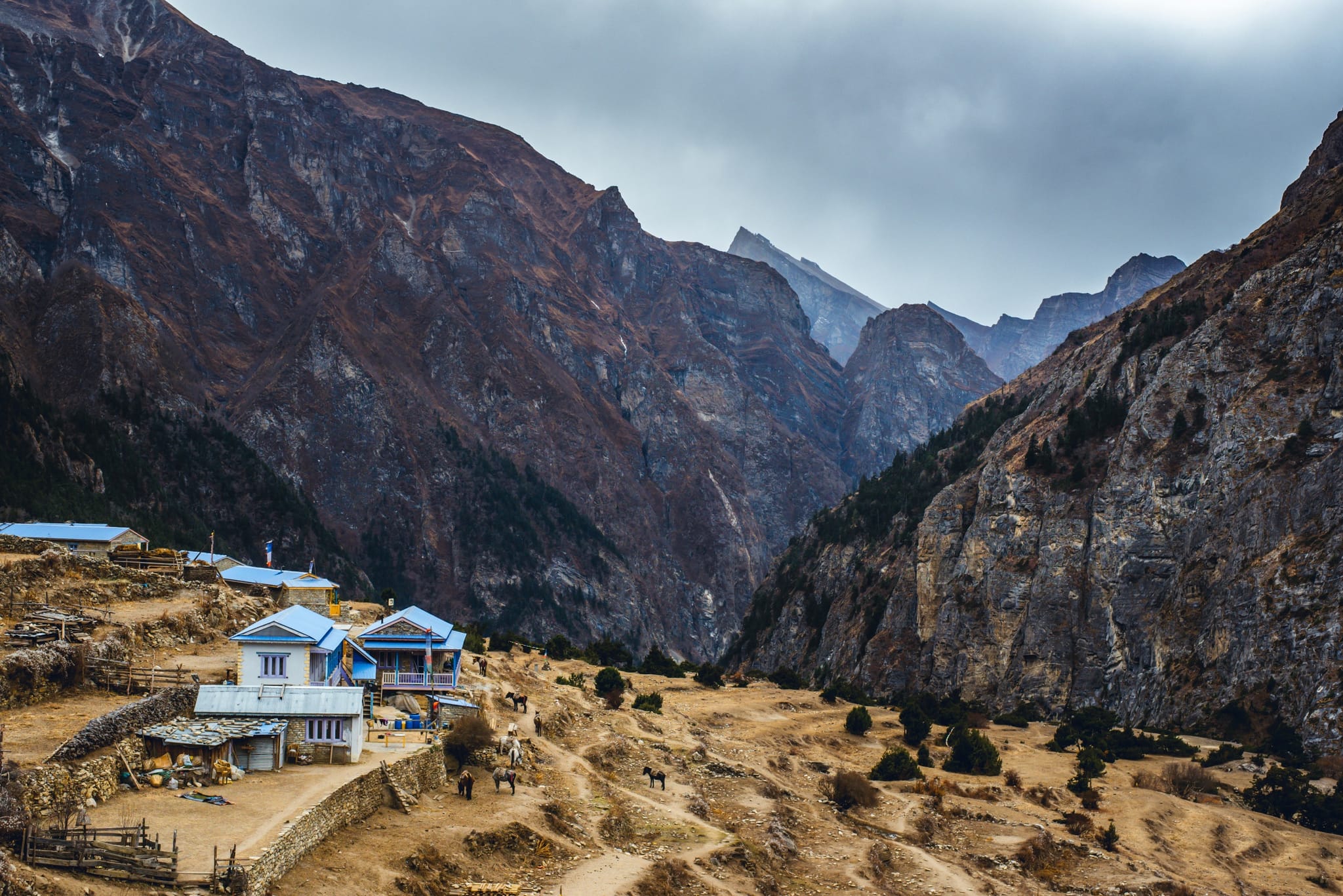
Tsum Valley Trek
A Journey into Nepal’s Hidden Buddhist Valley
Trip Overview
- Group size
- 2 – 12 People
- Start & end
- Kathmandu
Highlights
- Off-the-Beaten-Path Adventure Trek through a secluded Himalayan valley, far from the crowds and commercial trails, for an authentic mountain experience.
- Stunning Himalayan Views Enjoy views of Ganesh Himal, Sringi Himal, and Boudha Himal, with alpine forests, remote ridgelines, and glacial rivers along the way.
- Rich Tsumba Culture Experience Tsumba Buddhist culture in traditional villages where ancient customs, language, and beliefs remain deeply rooted in daily life.
- Mu Gompa Monastery Visit Mu Gompa, Tsum Valley’s largest monastery, near the Tibetan border, and discover Tibetan Buddhist traditions and monastic life.
- Ancient Himalayan Settlements Explore centuries-old villages like Chhokang Paro and Nile, known for traditional stone houses, mani walls, and Tibetan-influenced architecture.
- Sacred Caves and Monasteries Discover sacred meditation caves and centuries-old monasteries that preserve the region’s rich Buddhist heritage and spiritual traditions.
About this trek
The Tsum Valley Trek takes you into a secluded Himalayan valley in northern Gorkha, near the Tibetan border. Far from Nepal’s busy trekking routes, the trail passes through traditional villages, ancient monasteries, sacred meditation caves, and stone-built settlements that reflect centuries of Tibetan Buddhist influence.
Surrounded by the mountains of Ganesh Himal, Sringi Himal, and Boudha Himal, the valley offers a blend of mountain landscapes, cultural encounters, and peaceful trails. Highlights include exploring Chhokang Paro and Nile villages and visiting Mu Gompa, one of the valley’s most important monasteries.
Opened to foreign trekkers in 2008, Tsum Valley remains a restricted trekking area with a strong cultural identity and a way of life deeply connected to Buddhist traditions. It is an ideal journey for trekkers seeking a quieter Himalayan experience shaped by local culture, spiritual heritage, and mountain scenery.
Day by Day Itinerary
Welcome to Kathmandu, the valley of gods. Upon arrival, complete the visa process and proceed to the arrival terminal from where our staff will drive to your hotel. At the hotel, meet our team and get the information about the group meeting and dinner that will follow.
Obtaining a permit for the Tsum Valley area requires a full day. While awaiting the permit, today you have the opportunity to walk into the temples, streets, bazaars and monasteries. Meet your city guide and start the day excursion. Later in the afternoon, meet your trekking guide and get essential information about the trip. Feel free to consult the guide for any last-minute shopping assistance you may require.
After breakfast, we begin our journey by driving through small towns and river valleys to reach Machha Khola. The journey negotiates paved roads most of the time, except for the last leg. Machha Khola is a small town by the confluence of Machha Khola and Budhi Gandaki.
Leaving Machhakhola. We set off towards Jagat, following the bank of the Budhi Gandaki River. The path goes through forest, ravine and tiny settlements. Cross small tributaries of Budhi Gandaki rivers en route, and walk across a cantilever bridge before reaching Jagat.
Follow the Budhi Gandaki River upstream, crossing small streams and passing through villages. Cross the river and climb steeply to Philim (1,519 m). Continue towards Ekle Bhatti, walking above the gorge through sparse pine forests. At the confluence of the Siar and Budhi Gandaki rivers, the trail turns east into Tsum Valley. Follow a gentle uphill path through dense forest to reach Lokpa, a small settlement and the gateway to Tsum Valley.
Leaving Lokpa, the trail descends for about 30 minutes towards a small river and passes through Sardi Gorge, which meets Sardi Khola downstream. After crossing the river, climb for around two hours through forested trails to Sardi Danda. The route then descends to Shir Khola before a final uphill stretch leads to Chumling, a traditional village perched on a small plateau.
Ascend gradually through small villages to the confluence of Siar and Sarphu Khola near Dumje. After crossing Sarphu Khola, climb steeply to Kowa, where the landscape becomes drier and more rugged. Continue past creeks, traditional villages, mani walls, and chortens to reach Chhokangparo, a settlement of Chhokang and Paro nestled amid open fields. From the village, enjoy views of Ganesh Himal and Boudha Himal. Chhokangparo is also home to three monasteries: Galdang Gumba, Paro Gumba, and Nuru Lakhang.
Trek north through the upper Tsum Valley, where the landscape opens into a broad, spacious valley. Pass through Ngakyu-Leru, known for its narrow alleys lined with stacked firewood, and continue to Lamagaon, surrounded by mani walls, chortens, and colorful fields. En route, visit Piren Phu Cave, a sacred site associated with the Buddhist saint Milarepa, where his footprints are believed to be preserved. Continue to Nile, a traditional village surrounded by terraced fields.
Follow the trail gradually uphill to Mu Gompa, the largest monastery in the area and one of the highest and most remote points in Tsum Valley. After lunch at the monastery, retrace your steps towards Chhokang Paro, stopping at Rachen Gompa, the valley’s largest nunnery, where over 100 nuns study. Continue to Chhokang Paro for the night.
From Chhokangparo, retrace the trail to Dumje, cross Shiar Khola, and head southeast along Lungden Khola, gradually ascending through forested terrain. Reach Gumba Lungdang, the valley’s oldest and most isolated nunnery, is believed to predate Mu Gompa. Inside, admire murals of Buddhist deities and life-size images of Guru Padmasambhava, Tara, and Buddha. Spend the night and enjoy meals in the monastery’s communal hall.
From Gumba Lungdang, retrace the trail to Dumje, a village scattered across flat terrain. Follow the Siar River downstream, cross it near Phu Cave, and climb through the forest to Ripchet. The village is known for its neatly aligned houses along the trail, numerous mani walls, chortens, and small monasteries.
Retrace the trail back to Jagat, as there are no alternative routes to avoid backtracking.
Continue retracing the trail to Machha Khola, or opt for a drive at an additional cost.
Drive back to Kathmandu along the same route. Upon arrival, enjoy some free time to shop for souvenirs or dine at one of the city’s restaurants.
Or you can drive further to Pokhara, Bandipur or Chitwan if you want.
Route & Elevation
Trip Map
13 stops · 10 places · 823–3,657 m
Kathmandu
1400m
Machha Khola
823mDrive
Jagat
1340m
Lokpa
2400m
Chumling
2385m
Chokong Paro
3360m
Nile
3024m
Mu Gompa & Return to Chokong ParoHigh
3657m | 3360m
- Return
Gumba Lungdang
3200m
Ripchet
2426m
JagatReturn
1340m
Machha KholaReturn
823m
KathmanduReturn
1400mDrive
Elevation
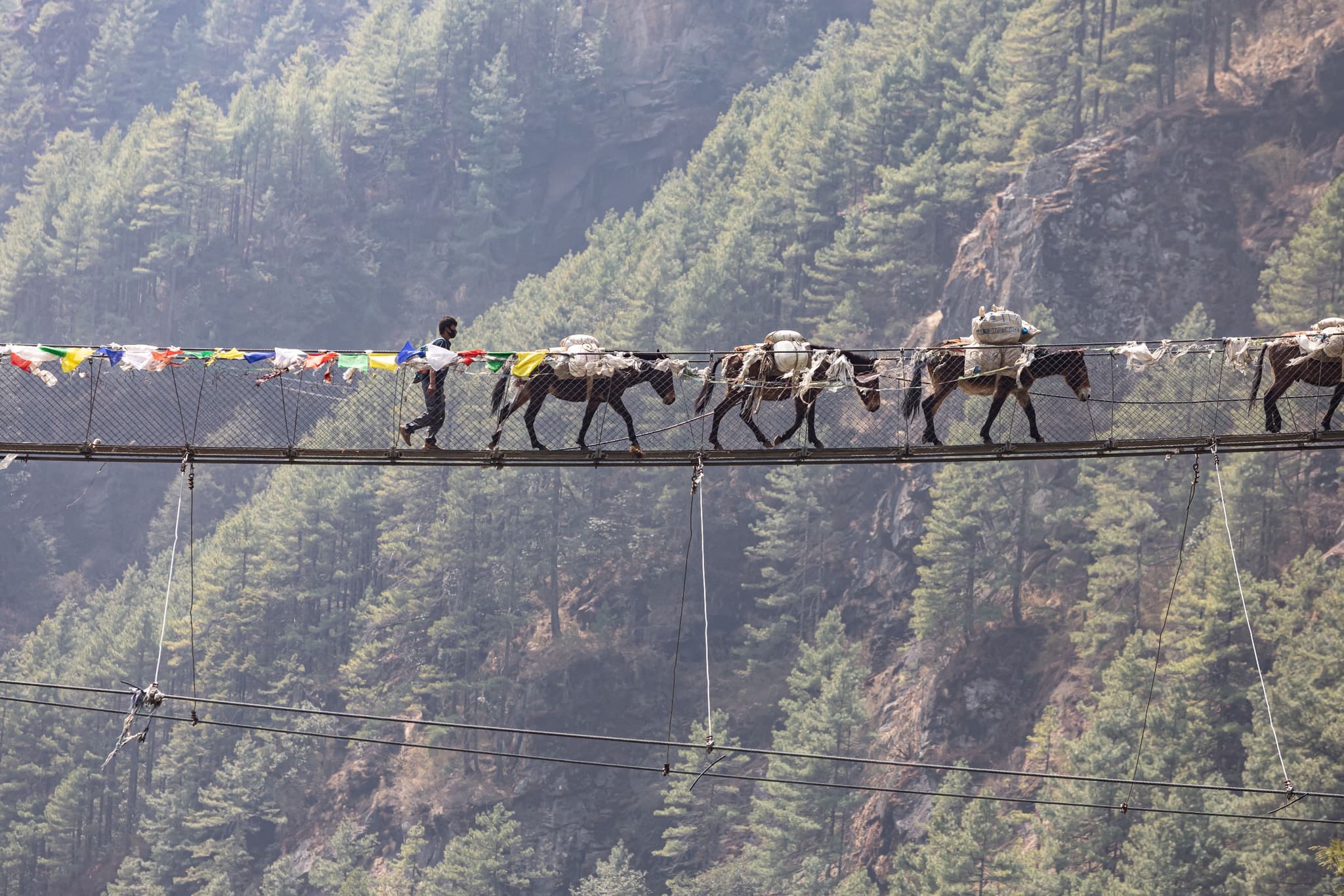
Photographs
Good to Know
Permits, insurance, altitude and the rest of the small print.
Due to the construction of roads in lower Budhi Gandaki Valley, the length of Tsum Valley is shrinking. To complete the trek it takes you 10 days (only in mountains) but ongoing road construction along the western bank of Budhi Gandaki River can reduce the length of trekking in the future by a couple of days. If you have flexibility, you can combine Tsum Valley Trek with Tsum Valley Trek which can offer you an immersive experience.
The Tsum Valley Trek begins with a drive from Kathmandu to Machha Khola, marking the start of an Himalayan adventure. From Machha Khola, the trail leads you to Jagat, crossing the Budhi Gandaki River multiple times on suspension bridges. As you trek further, the route shifts direction at Nyak Phedi, where it veers eastward into the hidden landscapes of the Tsum Valley.
Hiking through dense forests, narrow gorges, and steep ravines, you’ll spend the night in the village of Lokpa and Chumling. Continuing along the remote trail, you follow the deep river gorge until reaching Chhokang Paro, where the valley dramatically opens up. From here, the landscape transforms into wide expanses of buckwheat fields, dotted with chortens, mani walls, and centuries-old Tibetan villages that reflect the valley's rich cultural heritage.]
The highlight of the trek is the day hike to Mu Gompa, the highest and most revered monastery in the valley, reached from the village of Nile. After soaking in the serene mountain atmosphere and spiritual vibes of Mu Gompa, the trail retraces its way back through the valley, eventually leading you back to Kathmandu.
This Tsum Valley trekking itinerary offers a rare combination of unspoiled nature, ancient Tibetan culture, and breathtaking Himalayan views, making it one of the most rewarding off-the-beaten-path treks in Nepal.
- Off-the-Beaten-Path Adventure Escape the crowds of Everest and Annapurna and explore Tsum Valley’s remote trails, quiet villages, and untouched Himalayan landscapes.
- Preserved Tibetan Culture Discover the unique heritage of the Tsumba people, whose Tibetan-influenced language, dress, customs, and traditions remain deeply rooted in daily life.
- Sacred Monasteries and Spiritual Heritage Visit important monasteries such as Mu Gompa, Rachen Gompa, and Gumba Lungdang, and follow trails lined with prayer flags, chortens, and mani walls.
- Scenic and Varied Landscapes Trek through river gorges, dense forests, alpine meadows, and buckwheat fields, with views of Ganesh Himal, Sringi Himal, and Boudha Himal.
- Fewer Crowds, Deeper Connections Enjoy quieter trails and opportunities to connect with local communities, their traditions, and their way of life.
- Responsible and Sustainable Tourism Support local communities by staying in locally run teahouses, enjoying traditional food, and respecting the valley’s cultural and natural heritage.
- Ideal for Intermediate Trekkers A moderate trek with no technical climbing, Tsum Valley reaches around 3,700 m at Mu Gompa, offering a rewarding Himalayan adventure for fit trekkers seeking a cultural experience without extreme altitude.
The Tsum Valley Trek is moderate in difficulty—challenging enough to be rewarding but not extreme. It’s ideal for fit and physically active trekkers looking for a culturally rich and quiet Himalayan experience without significant altitude gain or technical climbs. Training with regular hikes, cardio, and strength workouts is recommended for preparation.
Your journey begins and ends in Kathmandu, Nepal’s capital. To ensure a smooth start to your Tsum Valley Trekking adventure, plan to arrive before 3 PM local time on your scheduled arrival day. This allows time for a group meeting, gear check, and a welcome dinner.
Tourists can easily obtain a Nepal visa on arrival at Tribhuvan International Airport in Kathmandu. After landing, complete the visa form at a kiosk, pay the required fee at the payment counter (USD 30 for 15 days, USD 50 for 30 days), and proceed to the immigration counter for your visa.
Tip: Bring cash (preferably USD) to avoid delays, as card payments may not always be reliable.
You don’t need to bring passport-sized photos for the visa—photos are taken digitally at the kiosk.
After clearing customs, look for our team member holding a Junkiri Treks sign with your name at the arrival gate. You’ll be escorted to your hotel in Kathmandu, where you'll relax before the trek.
All ground transportation mentioned in the itinerary, including transfers to and from the trailhead, is by public vehicle to help reduce our environmental footprint. Private airport pick-up and drop-off are included in the package, while private transportation for other journeys can be arranged on request at an additional cost.
Permits You’ll Need
The Tsum Valley Trek lies in a restricted area, so special permits are mandatory:- Tsum Valley Restricted Area Permit (MRAP)
- Manaslu Conservation Area Permit (MCAP)
These permits are handled by Junkiri Treks and will be arranged before the trek begins.
Expect the Unexpected:
Weather in the Tsum Valley is unpredictable, especially at high altitudes. Even during peak seasons (spring and autumn), be prepared for rain, clouds, and even snow.- Listen to your guide for advice on pacing, rest stops, and acclimatization.
- Trek with a first aid kit and personal medication.
- Hydrate and pace yourself, especially above 3,000 meters.
You’ll stay in local tea houses with basic facilities and amenities. Accommodations typically feature:
- Twin-sharing rooms
- Communal dining halls
- Shared toilets (squat) and bathrooms
- Limited hot water and electricity at higher elevations
The Tsum Valley is home to diverse ethnic groups, including Gurungs, Tamangs, and Tibetan-influenced Tsumbas. Tsum Valley is a sacred Buddhist pilgrimage site, with connections to Milarepa, the revered Tibetan saint who meditated in the caves here. It is good to take it into consideration.
We encourage you to walk clockwise around religious monuments (kora).
Respect silence and no photography signs in monasteries.
Tsumba people are ethnically Tibetan, practicing a lifestyle shaped by Buddhism, agriculture, and trade with Tibet. Traditionally, they practice polyandry, though it's less common today. Villages like Chhokangparo and Nile showcase Tibetan-style houses, stone walls, and seasonal transhumance. Ask permission before photographing people or private homes. Show interest in their culture respectfully (e.g., asking questions through a local guide).
- Many locals are shy but hospitable — it's respectful to:
- Offer a greeting with “Tashi Delek”
- Respect local customs and avoid giving money or sweets to children. Bargaining is accepted in local markets, but prices in tea houses are fixed.
From rugged gorges to wide alpine valleys and terraced hillsides, the Tsum Valley Trek unfolds in stunning contrasts. Mornings greet you with crisp air and crystal-clear mountain views, while evenings invite the warmth of shared stories by the fire.
- Start trekking by 7–8 AM
- Tea break mid-morning
- Lunch around noon at a local lodge
- Arrive at the destination by late afternoon
- Evening briefing and social time in the dining hall
- Dinner served by 6:30–7 PM
Common Questions
While the trek is moderate to difficult, beginners who lead an active lifestyle and engage can undertake the Tsum Valley Trek successfully. Hiring support staff to carry your backpack and customizing the itinerary to match your fitness level can enhance the experience.
The trek is considered moderate to challenging, covering approximately 130 km over 10 days, with daily walking durations ranging from 4 to 10 hours. The route involves moderate elevation gain, rugged terrain and long distances, requiring an average level of physical fitness. Pre-trek training is recommended.
The trek spans approximately 130 km (80 miles), excluding overland travel and to and from the trailhead.
Though the trekking does not involve significant elevation gain, there is still a minor risk of Acute Mountain Sickness (AMS). Symptoms can include headaches and nausea. To mitigate this risk, it's important to acclimatize properly, maintain a steady pace, stay hydrated, and listen to your body's signals.
Given the trek's demands, it's essential to engage in physical training before the journey. This should include cardiovascular exercises, strength training, and practice hikes to build endurance and prepare your body for the challenges ahead.
Access to clean drinking water is crucial. Trekkers have several options: using purification tablets (available in Kathmandu pharmacies), carrying water filters (either external or integrated into bottles), purchasing boiled water at tea houses (costing between NPR 200 to NPR 600 per liter), or buying bottled water (ranging from NPR 100 to NPR 400 per liter). While bottled water is convenient, it's less environmentally friendly; therefore, using purification methods or boiled water is recommended.
Food along the Tsum Valley Trek is mainly served at local teahouses, with options including traditional Nepali dal bhat, noodle soups, fried rice, momos, Tibetan bread, potatoes, eggs, and simple pasta dishes. Meals are generally basic but filling, with fewer choices in the more remote villages. Availability may vary by teahouse and season.
Accommodations are primarily in tea houses, which offer basic yet functional lodging. Rooms usually have twin beds with minimal furnishings. While blankets are provided, bringing a personal sleeping bag is advisable. Most tea houses have shared squat-style toilets and limited electricity.
No, internet facilities are not available in The Tsum Valley. However, the villages before the valley have limited internet facilities.
While the core components of the trek—such as accommodation, internal transportation, staff wages, and permits—are covered, trekkers should allocate an additional $35 to $40 per day for personal expenses. This budget should cover meals, extra snacks or drinks, hot showers, Wi-Fi access, charging electronic devices, and tips for the trekking staff.
Yes, it's prudent to have a contingency fund for unforeseen circumstances that may alter the itinerary. Situations such as extreme weather, natural disasters, pandemics, political unrest, road closures due to landslides or accidents, and personal health issues can lead to additional expenses that are not covered in the standard package.
Junkiri Treks provides an experienced trekking team to ensure safety and comfort. This includes a licensed lead guide for the group, one assistant guide for every four trekkers, and one porter per two trekkers. All team members are insured and trained in altitude safety and mountain rescue protocols.
Each porter can carry up to 20 kg, typically shared between two trekkers. Therefore, it's recommended to limit your personal gear to 10 kg.
You can store your excess luggage at the hotel free of cost. Fill up the luggage storage and bring it back on collecting.
Nepal operates on the Nepalese Rupee (NPR). It's advisable to exchange major currencies like USD, EUR, GBP, or AUD in Kathmandu before commencing the trek. Banks typically offer better exchange rates than private booths; however, note that banks are closed on Saturdays. ATMs in areas like Thamel allow withdrawals of NPR 25,000 to NPR 35,000 per transaction, usually with a fee of around $5. Informing your bank about international transactions beforehand can prevent any unexpected blocks on your card.
In Kathmandu, trekkers can rent essential gear such as sleeping bags and down jackets. These items are available at approximately NPR 250 per day per item. Renting equipment locally is a convenient option, especially for those who prefer to travel light or are on a budget.
Solo trekking is not permitted inside Tsum Valley, as it's designated a restricted area. Trekkers must be in a group of at least two and accompanied by a licensed guide from a registered trekking company. Traveling with a guide also offers benefits such as assistance with accommodations, navigation, and handling unforeseen situations.
The optimal trekking seasons are autumn (September to November) and spring (March to May), offering stable weather, clear mountain views, and favorable trail conditions. Planning your trek during these periods ensures a more enjoyable and safer experience.
Yes, you can! After the trek, we can arrange a public bus or private jeep to Pokhara or Chitwan, where you can enjoy activities such as boating, paragliding, and jungle safaris.
Ready when you are
So ready to start?
Tell us when you'd like to go and we'll shape the route, the pace and the team around you.
