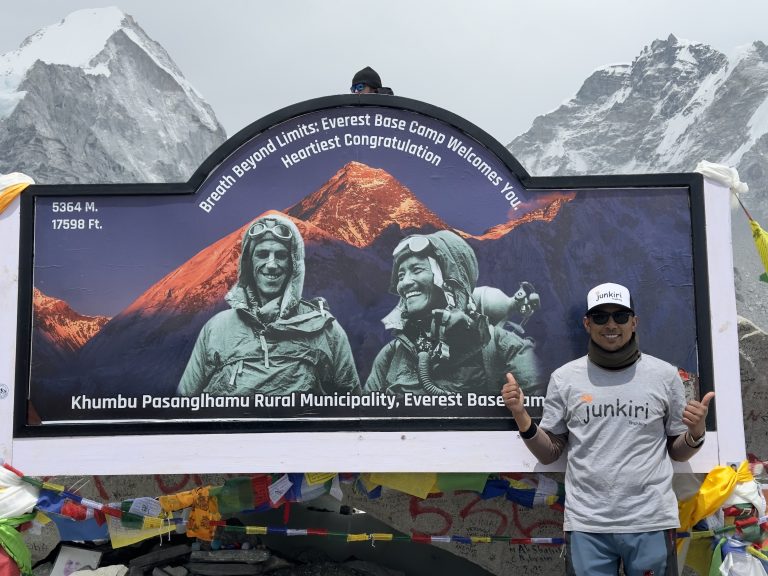
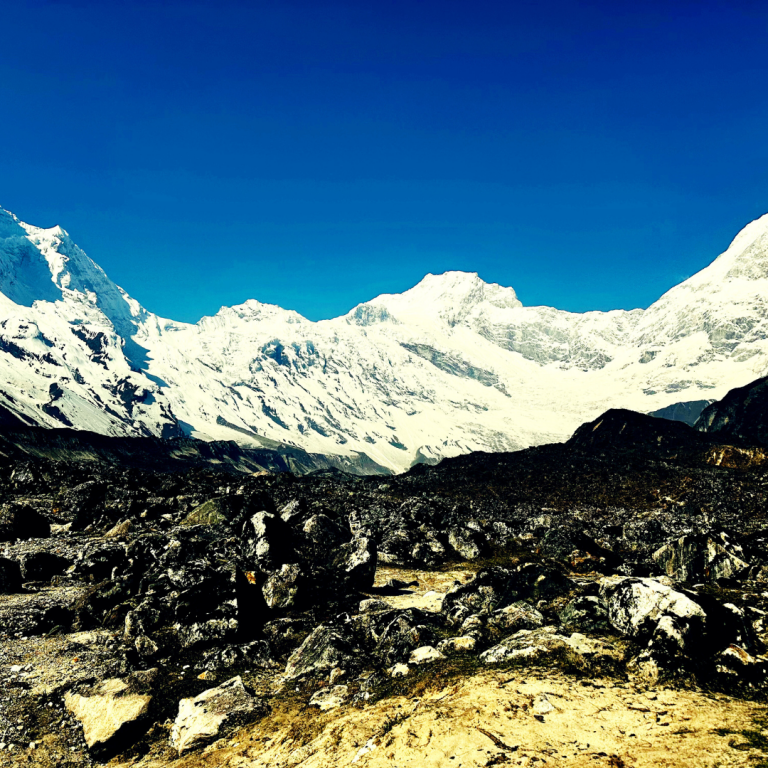
Embarking on the Everest Base Camp trek is a thrilling adventure, but let’s talk about the part everyone wonders about—what it’s going to cost. If you’re a first-time trekker, understanding the expenses upfront can save you from any nasty surprises. Let’s break it all down so you can plan your budget wisely and focus on the exciting journey ahead!
How Much Does Everest Base Camp Cost?
1. Permits and Fees: Your Ticket to Adventure

Before you even set foot on the trail, there are a couple of permits you’ll need. The Sagarmatha National Park Entry Permit is non-negotiable and costs around NPR 3000, while the Khumbu Pasang Lhamu Rural Municipality Permit will set you back about NPR 3000 too. These permits help maintain the trails and ensure conservation efforts in the region.
Altogether, permit costs can add up to about $50, so budget for this first step before dreaming about reaching Base Camp!
2.Flights to Lukla: The Cost of Convenience
The flight from Kathmandu to Lukla is often dubbed one of the most scenic (and hair-raising) flights in the world. It’s also one of the pricier elements of your Everest Base Camp trek cost. Round-trip flights typically cost between $350 to $400 for foreigners. Yes, it’s a bit steep, but it saves you days of walking to reach the starting point of the trek.
For those on a tighter budget or looking to skip the thrill of Lukla’s short runway, you could trek to the starting point from Salleri. However, this adds 2–3 extra days to your journey, includes off road drive, and incurs additional expenses for food and accommodation. Sometimes, convenience is worth the price!
3. Accommodation: Tea Houses on a Budget
Staying in tea houses along the trail is part of the charm of trekking in Nepal. These cozy lodges are surprisingly affordable at lower elevations, with nightly rates ranging from $5 to $10 for a basic room. As you climb higher and the trails become more remote, prices can increase to around $20 per night.
4. Food and Drinks: Fueling Your Adventure
You’re going to burn a lot of calories on the trail, which means you’ll need to keep fueling up. Meals on the trek usually cost $5 to $8 (per meal) at lower elevations and $8 to $12 higher up. Dal bhat (a hearty meal of lentils, rice, and veggies) is a trekker’s best friend, offering unlimited refills at many tea houses!
Drinks, on the other hand, can get surprisingly expensive. A bottle of water that costs $0.50 in Kathmandu can go up to $4 at higher altitudes. You can save a ton by bringing a reusable water bottle and purification tablets. If you’re a coffee or tea lover, budget an extra $2 to $4 per drink—staying warm while sipping ginger tea is part of the experience.
5. Guides and Porters: A Helping Hand on the Trail
Hiring a guide or porter isn’t mandatory, but it’s a fantastic way to enrich your trek. Guides cost around $30 to $40 per day, while porters, who carry your heavy gear, charge about $20 to $30 daily. If you’re trekking solo or worried about altitude sickness, having a guide can be a literal lifesaver. Plus, supporting local workers is a meaningful way to give back to the community.
For first-timers, a guided trek package might feel like an easier option. These packages typically range from $1,200 to $1,500, covering everything from permits to accommodation. While it’s a bigger upfront cost, it simplifies your trip significantly.
6. Miscellaneous Costs: The Extras That Add Up
Don’t forget the little things—they can sneak up on you! Charging your phone or camera costs around $2 to $5 per device at higher altitudes. Hot showers? Luxurious but pricey, often costing $5 to $10. And if you’re planning to use Wi-Fi to stay connected, prepare to shell out $5 to $10 for a Wi-Fi card.
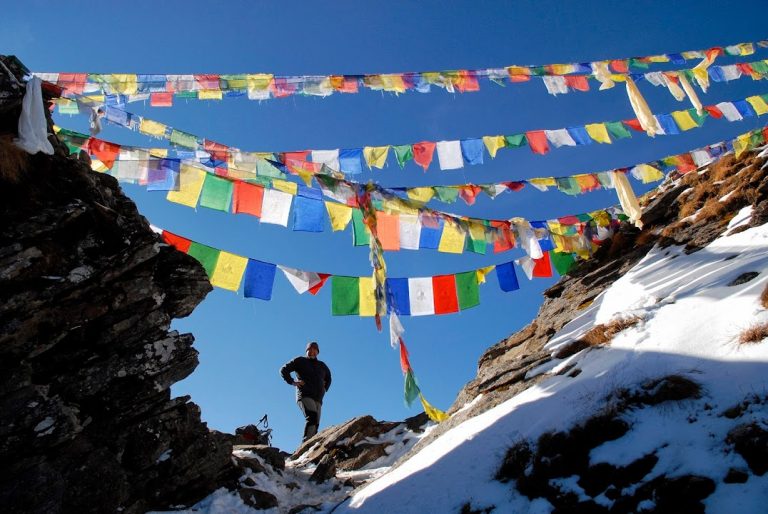
Souvenirs are another thing to budget for. From prayer flags to yak wool scarves, it’s tempting to bring a piece of Nepal home. Just remember to leave room in your budget for these unique mementos.
How To Benifit From Affordable Gears To Reduce Everest Base Camp Trek Cost
If you’re planning your first trek to Everest Base Camp, figuring out what gear you need can feel overwhelming. But don’t worry! You don’t need to spend a fortune to gear up for this adventure. With some smart shopping and prioritizing, you can stick to your budget and still have everything you need for a comfortable and safe trek. Let’s break it down into the essentials!
1. Clothing Layers: The Secret to Staying Comfortable
When it comes to trekking in the Himalayas, layering is key. You’ll need clothes that can handle everything from freezing mornings to sunny afternoons. Start with a moisture-wicking base layer to keep sweat off your skin. These are inexpensive and widely available—no need to go for the priciest brands!
Next, invest in a good fleece or down jacket. You can find budget-friendly options from local brands in Kathmandu, which are often just as effective as the big-name alternatives. For your outer layer, a waterproof and windproof jacket is a must. The weather in the mountains can change faster than you can say “Everest Base Camp trek cost.”
Don’t forget about your legs! A pair of thermal base layer pants, lightweight trekking pants, and waterproof outer pants should cover all conditions. You don’t need five different pairs—two of each should suffice, and you can always wash them along the trail.
2. Trekking Boots: Your Best Friend on the Trail
Your boots will make or break your trek, so choose wisely. The good news is you don’t need to spend hundreds of dollars on the most expensive pair out there. Look for sturdy, mid-range trekking boots with good ankle support and a reliable grip. It’s even better if they’re waterproof—there’s nothing worse than wet feet at 12,000 feet.
Here’s a tip: break in your boots before the trek! Wear them on smaller hikes or even around the house to avoid painful blisters. If you’re on a budget, you can sometimes find lightly used boots in excellent condition at second-hand stores or rental shops in Kathmandu.
3. Backpacks: Lightweight and Functional
A comfortable backpack is essential for carrying your gear, but don’t let the fancy ones with endless features fool you. For Everest Base Camp, a 50- to 60-liter backpack is the perfect size. Look for one with adjustable straps, a padded hip belt, and a rain cover—nothing fancy, just practical.
If you’re hiring a porter, you’ll only need a smaller daypack for items like water, snacks, and an extra layer. For the porters to carry your remaining weights, you can bring a 50/60 liter duffel bag.
4. Sleeping Bag: Stay Warm Without Breaking the Bank
A warm sleeping bag is non-negotiable, especially as temperatures can drop below freezing at higher altitudes. While high-end bags can cost a small fortune, there are budget-friendly options available that still do the job. In Kathmandu, you’ll find plenty of shops where you can rent or buy a good sleeping bag rated for -20°C.
Pro tip: Bring a sleeping bag liner. It’s lightweight, inexpensive, and adds an extra layer of warmth. Plus, it’s easier to wash than the bag itself, keeping things fresh during your trek.
5. Accessories: The Little Things That Matter
Small items can make a big difference on the trail. Trekking poles, for instance, are a lifesaver for your knees on those steep descents. You don’t need fancy ones; any sturdy, adjustable poles will do.
Headlamps are another must-have, especially for those early-morning starts. A simple, affordable headlamp with extra batteries is all you need. You’ll also want a reusable water bottle and purification tablets to save on bottled water costs—and they’re better for the environment!
Other essentials include a sun hat, sunglasses with UV protection, gloves, and a buff or scarf to protect your face from the wind. None of these items need to be expensive, and you’ll find plenty of affordable options in Kathmandu’s trekking shops.
6. Where to Save and Where to Splurge
While it’s tempting to go all out on gear, you don’t have to splurge on everything. Focus on items that directly impact your comfort and safety, like boots and outer layers. For less critical items like buffs or trekking poles, budget-friendly options work just fine.
Kathmandu is a treasure trove for trekkers on a budget. Many shops offer high-quality, locally made gear at a fraction of the cost of international brands. Just make sure to test everything before you buy or rent—nothing’s worse than realizing your jacket’s zipper doesn’t work halfway through the trek!
Choosing the Right Trek Package: Budget or Standard?
When planning your Everest Base Camp trek, one big question looms: what type of trek package should you choose? Should you save big with a budget trek, go for the comfort of a standard package, or treat yourself to the luxury route? The answer depends on your budget, preferences, and how you picture your Himalayan adventure. Let’s explore your options so you can make the best choice!
1. Budget Trek Packages: Adventure on a Shoestring
If you’re watching your wallet, a budget trek package is a fantastic way to experience the Everest Base Camp trek without spending a fortune. These packages typically cost anywhere between $1,000 to $1,300 and include all the basics—permits, accommodation in tea houses, and supporting crew.
With a budget trek, you’ll still get stunning views of Everest and the satisfaction of reaching Base Camp. However, don’t expect any frills. Accommodations will be basic, both in Kathmandu and in the mountains with shared bathrooms.
Budget treks are perfect for those who don’t mind a little roughing it and want to focus on the adventure rather than the amenities. Plus, keeping costs down lets you allocate more to souvenirs or post-trek indulgences in Kathmandu!
2. Standard Trek Packages: Balance and Comfort
For many trekkers, a standard trek package hits the sweet spot between affordability and comfort. These packages usually range from $1,500 to $2,000 and offer a well-rounded experience. You’ll get private or twin-sharing rooms in tea houses, three meals a day, and the services of a dedicated guide and porter.
Standard packages often include a few added conveniences, such as airport transfers and pre-arranged flights to Lukla. This means you can relax and focus on enjoying the trek rather than stressing about logistics.
If you’re trekking for the first time or prefer not to skimp on comfort, a standard package is a great choice. It gives you the support and convenience you need without breaking the bank.
2. Standard Trek Packages: Balance and Comfort
For many trekkers, a standard trek package hits the sweet spot between affordability and comfort. These packages usually range from $1,500 to $2,000 and offer a well-rounded experience. You’ll get private or twin-sharing rooms in tea houses, three meals a day, and the services of a dedicated guide and porter.
Standard packages often include a few added conveniences, such as airport transfers and pre-arranged flights to Lukla. This means you can relax and focus on enjoying the trek rather than stressing about logistics.
If you’re trekking for the first time or prefer not to skimp on comfort, a standard package is a great choice. It gives you the support and convenience you need without breaking the bank.
2. Standard Trek Packages: Balance and Comfort
For many trekkers, a standard trek package hits the sweet spot between affordability and comfort. These packages usually range from $1,500 to $2,000 and offer a well-rounded experience. You’ll get private or twin-sharing rooms in tea houses, three meals a day, and the services of a dedicated guide and porter.
Standard packages often include a few added conveniences, such as airport transfers and pre-arranged flights to Lukla. This means you can relax and focus on enjoying the trek rather than stressing about logistics.
If you’re trekking for the first time or prefer not to skimp on comfort, a standard package is a great choice. It gives you the support and convenience you need without breaking the bank.
4. How to Choose the Right Package for You
Now that you know your options, how do you decide which one suits you best? Start by considering your budget and priorities. If you’re on a tight budget and don’t mind basic accommodations, the budget package is your best bet. For those looking for a balance of cost and comfort, the standard package offers great value without cutting corners.
Also, consider your trekking experience. Beginners might feel more secure with a guide and porter included, which the standard package provides. Experienced trekkers, meanwhile, might prefer the independence of a budget trek.
Avoiding Common Beginner Mistakes: Save Time and Money
If you’re gearing up for the Everest Base Camp trek, congratulations! It’s going to be the adventure of a lifetime. But, as exciting as it is, beginners often make a few avoidable mistakes that can cost time, money, and even some sanity. Don’t worry—I’ve got you covered. With a little planning and the right mindset, you’ll sidestep these common pitfalls and enjoy a smoother trek to Base Camp.
1. Overpacking: Carrying More Than You Need
One of the biggest mistakes beginners make is overpacking. It’s tempting to prepare for every “what if” scenario, but remember, every extra pound in your backpack adds up when you’re trekking for hours at high altitude.
Stick to the essentials—warm layers, comfortable trekking gear, basic toiletries, and snacks. If you’re hiring a porter, keep their load light too. They’ll thank you, and you’ll have a happier trek. Not sure what to bring? Focus on quality over quantity. Investing in lightweight, multipurpose items can save you space and money in the long run.
Pro tip: Leave room in your bag for snacks and water. You’ll burn a ton of calories on the trail, and staying fueled is key to enjoying the trek.
2. Skipping Altitude Acclimatization Days
Altitude sickness doesn’t care how fit you are, and rushing through the trek is a sure way to invite trouble. Beginners often underestimate the importance of acclimatization days, thinking they can push through to save time. Trust me, that’s a bad idea.
Acclimatization days are built into most itineraries for a reason—they give your body time to adjust to the thinner air. Skipping these can lead to headaches, nausea, and even more serious health issues. Besides, these rest days are a great opportunity to explore villages like Namche Bazaar and Dingboche, soak in the views, and chat with fellow trekkers.
Remember: slow and steady wins the race, especially when it comes to high-altitude trekking.
3. Underestimating the Costs of the Trek
Many first-timers dive into the trek without fully understanding the Everest Base Camp trek cost. Sure, the initial package price or budget seems affordable, but hidden expenses can creep up. Meals, water, charging electronics, and even Wi-Fi get pricier as you ascend.
For instance, a bottle of water that costs $0.50 in Kathmandu can set you back $4 or more in Gorakshep. You can save money by bringing a reusable water bottle and purification tablets or a filter. Similarly, charging your phone or camera might cost $2 to $5 per hour at higher altitudes, so bring a power bank to cut down on expenses.
Budgeting carefully and being prepared for these costs can save you from unnecessary stress—and overspending.
4. Neglecting Physical Preparation
You don’t need to be an Olympic athlete to complete the Everest Base Camp trek, but showing up unprepared physically is a mistake you’ll regret. Trekking at high altitudes is no joke, and the trail includes steep ascents, rocky paths, and long days of walking.
Start preparing a few months before your trek with regular cardio, strength training, and practice hikes. This doesn’t just make the trek easier—it also makes it more enjoyable. Being fit means you’ll spend less time huffing and puffing and more time soaking in the stunning Himalayan views.
Click the link to get an idea on the training plan.
Pro tip: Break in your trekking boots during your training hikes. New boots on a long trek = guaranteed blisters.
5. Not Researching Your Trekking Company
If you’re booking a guided trek, don’t just choose the cheapest company without doing your homework. Low-cost options might skimp on safety, experienced guides, or proper equipment, which can put your trek (and your well-being) at risk.
Look for companies with good reviews, transparent pricing, and experienced staff. A slightly higher initial investment can save you money in the long run by avoiding unexpected fees or subpar services. After all, you’re trusting them to guide you safely to Base Camp and back.
6. Skipping Travel Insurance
No one wants to think about emergencies on their dream trek, but stuff happens—flight delays, injuries, or altitude-related issues. Skipping travel insurance is a rookie mistake that could cost you big.
Make sure your insurance covers high-altitude trekking (some policies don’t) and emergency helicopter evacuations. It’s better to have it and not need it than to need it and not have it. Consider it an essential part of your Everest Base Camp trek cost.
7. Ignoring Weather Reports
The Himalayas are unpredictable, and the weather can change in the blink of an eye. Beginners sometimes forget to check forecasts or pack for sudden weather shifts. A sunny morning can turn into a snowy afternoon, so always be prepared.
Bring a reliable waterproof jacket, gloves, and extra layers, even if the forecast looks clear. You’ll thank yourself when you’re warm and dry while others are shivering in their cotton hoodies.
-
Altitude Sickness: What Every Trekker Should Know
Signs and Symptoms: How to Recognize Altitude Sickness Early If you’re planning to trek in Nepal’s breathtaking mountains, one thing you don’t want to ignore is altitude sickness. This sneaky condition can turn your dream trek into a bit of a nightmare if you’re not prepared. But don’t worry—it’s easier to recognize than you think! […]
-
Manaslu Circuit Trek Vs Annapurna Ciruit Trek
Differences and Similarities between Annapurna Circut Trek and Manaslu Circuit Tek When it comes to trekking in Nepal, you might come across a galaxy of choices. With towering peaks standing to its northern highlands, including eight of the world’s fourteen peaks over 8,000 meters, Nepal boasts a wide range of trekking routes that not only […]
-
7 Beginner-Friendly Trekkings in Nepal
The trekking routes flourished under the soaring peaks in the northern skyline have become the first choice for many hard core hikers and trekkers. But because of Nepal’s diverse topography and terrain, it also generoursly offer beginner-friendly trekking options. First time trekking in Nepal? Keep calm and buy the flight tickets as we have […]
-
How To Train For Everest Base Camp Trek
Everest Base Camp Trek is a tough trek, both physically and mentally. The thin air, rugged terrain and the distance you will cover make it one of the toughest treks in the Himalayas, but it is not like a marathon up the world’s tallest mountain. It is not far beyond the ability of most people […]
-
A Beginner’s Guide to Everest Base Camp Trek
This beginner’s guide to Everest Base Camp is designed to help you plan better for Everest Base Camp Trek. When you plan for an epic trip like Everest Base Camp, you might want to dive into the internet and social media to get insight on how to prepare for the trek. But you are likely […]
-
A Complete Guide to Manaslu Circuit Trek
Manaslu Round Circuit Trek lies to the west-northern part of Nepal in Gorkha District. The trek is named after Mt. Manaslu which is the 8th highest mountain in the world. Manaslu Round Circuit trek encircles Mt. Manaslu and its neighboring mountains such as Naike Peak, Pang Puche, Hiun Chuli, etc.