Trip Summary
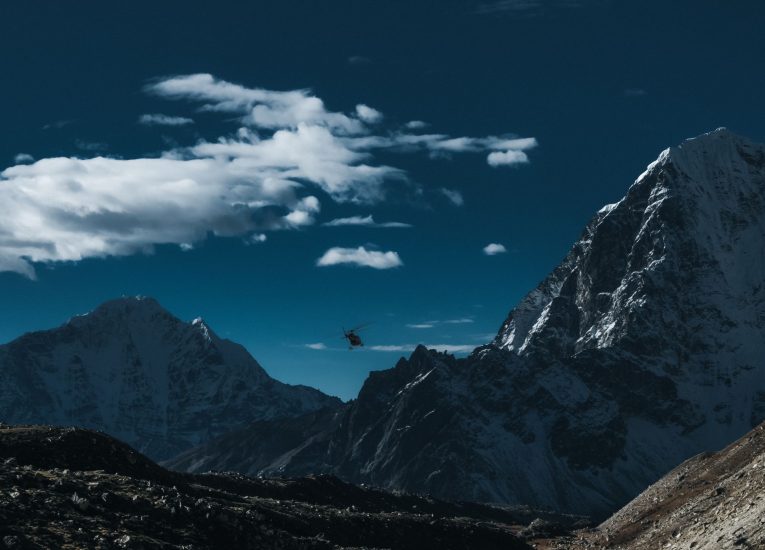
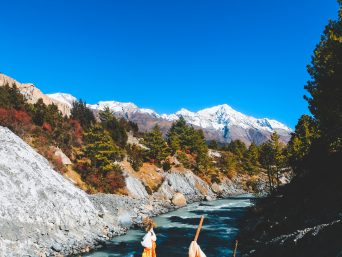
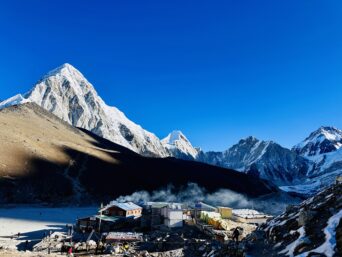
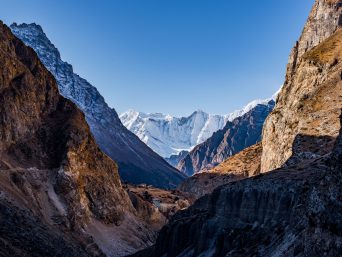
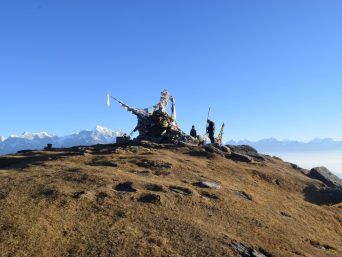
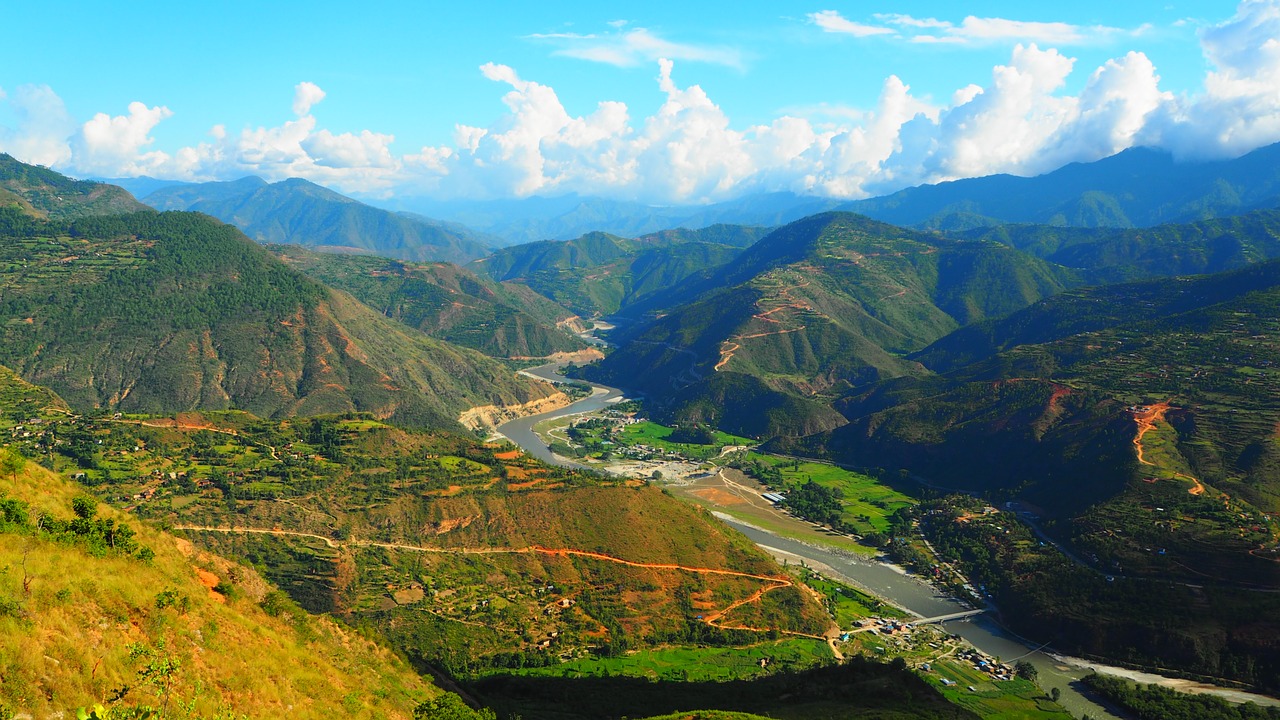
Embark on a Langtang and Gosaikunda Trek for an unparalleled hiking experience. Langtang and Gosaikunda trek is a beautiful trekking route that lies north of Kathmandu and close to the Tibetan border. The 16-day trek takes you to the Langtang Valley and extends to Gosaikunda Ridgeline, unfolding beautiful terrain and diverse cultural experience. Being in the proximity to Kathmandu, the route still manages to remain raw and pristine. Langtang Lirung, Gangchempo, and Tibetan Ranges dominate the northern skyline, while the colorful forests, mane walls, prayer wheels, quaint tea houses, and sacred Gosaikunda Lake grace the trail. Scale the formidable height of Kyanjin Ri, or Tserko Ri, and Gosaikunda, and ask yourself, what drives humans to seek adventure. The area it covers brings you the most incredible array of cultural and geographical diversity.
The trek is leveled as moderate to difficult for the length it covers, the height it gains, and the terrain it negotiates. The terrain remains gentle mostly in Langtang Valley, but as it climbs to Gosaikunda and drops to Melamchi, it becomes strenuous. It is common to experience some mild symptoms of altitude, but it does not usually get severe.
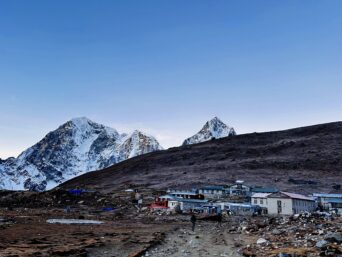
A scenic drive across the river valleys lands us at Syabru Besi from where we start walking. Following Langtang Khola upstream, we arrive at Lama Hotel, from where the vegetation and landscapes start changing. Upon reaching Langtang village, see the damage made by the earthquake in 2015 and stay overnight in Mundu village. Continuing the trail beyond Langtang, we reach Kyanjin village, the last permanent settlement in the area. After a two-night stay, backtrack for one and half days and veer to the southern slopes, near Dobhan, and stay overnight in Thulo Syabru and Sing Gompa respectively. Upon reaching Gosaikunda, spend a night there, cross the pass, and descend to Melamchi Valley, followed by a drive to Kathmandu.
Highlights
Langtang Valley:
Spend a week in the Langtang Valley surrounded by mountains and adorned by wonderful vegetation.
Breathtaking Views:
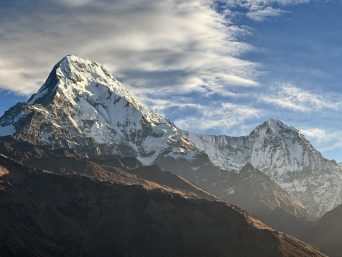
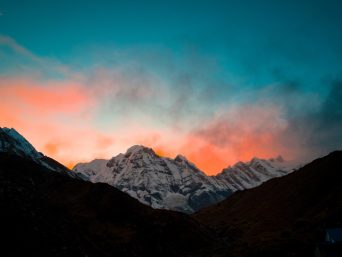
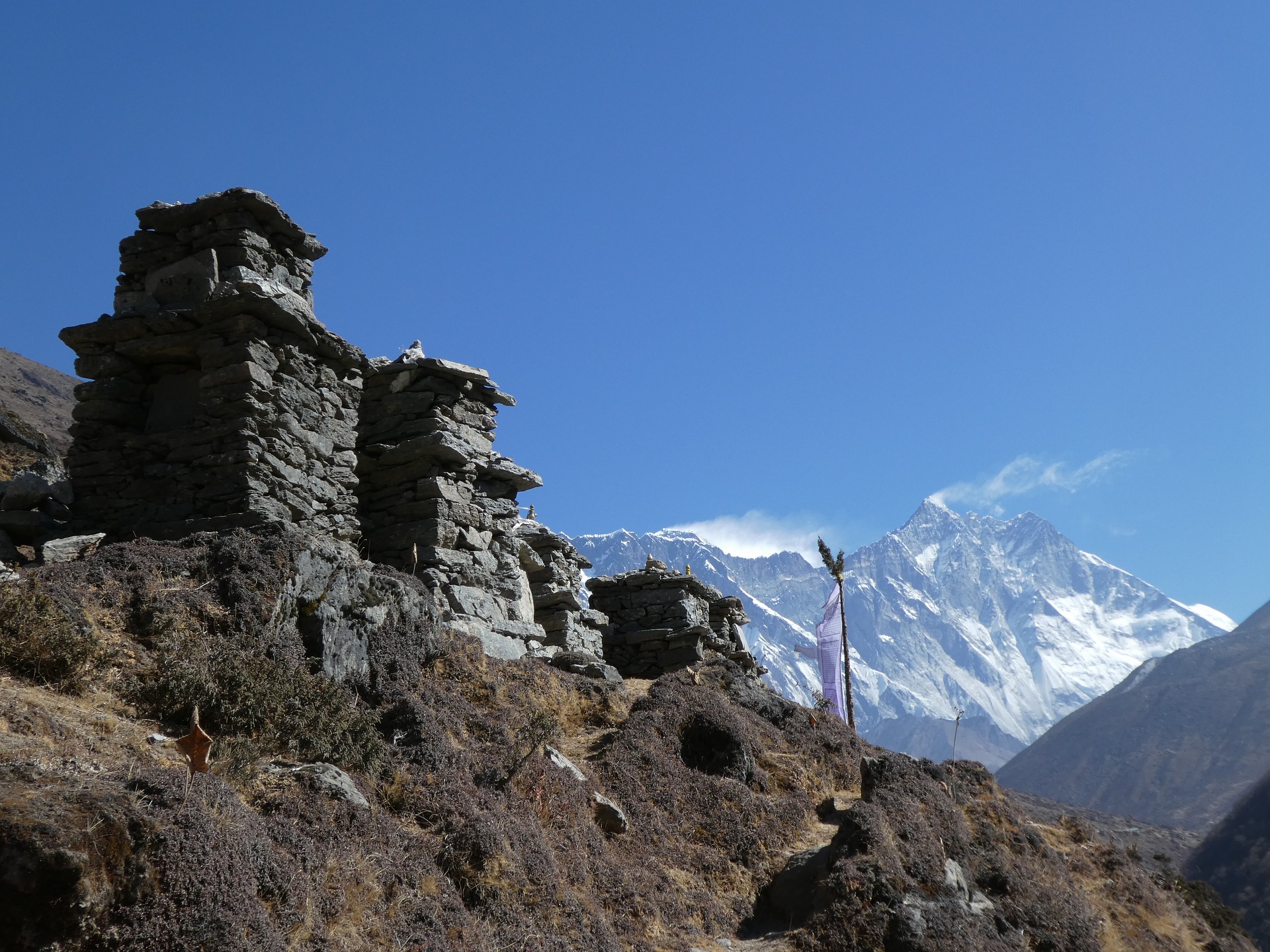
Enjoy the views of Langtang Lirung, Gangchempo, and Tibetan ranges.
Diverse Vegetation:
Walk through the subalpine forest to alpine meadows.
Rich Culture:
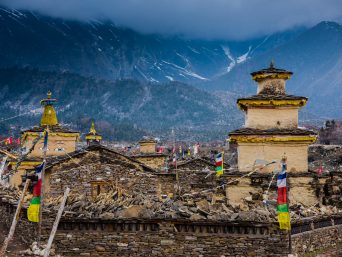
See the Sherpa culture of Langtang Valley and the Hyolmo culture of Melamchi.
Gosaikunda Lake:
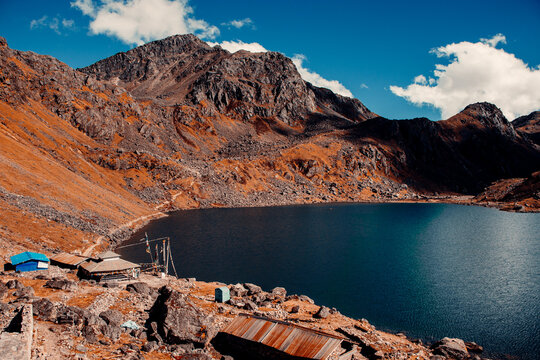
Spend a night by the sacred Gosaikunda Lake, which holds religious and spiritual significance.
Melamchi Valley:
Conclude your trek in Melamchi Valley which has a rich Hyolmo culture.
Trip Facts
Highest Elevation:
Kyanjin Ri 4850m
Trip Length:
15 days
Trekking days:
13 days
Difficulty Level:
Moderate to Difficult
Accommodation:
Standard Hotel and Tea House
Group Size:
2-12
Starting/Ending Point:
Kathmandu
Kathmandu 1400m
Syabru Besi 1460m
Lama Hotel 2470m
Mundu 3550m
Kuanjin Gompa 3800m

Kyanjin Ri 4850m
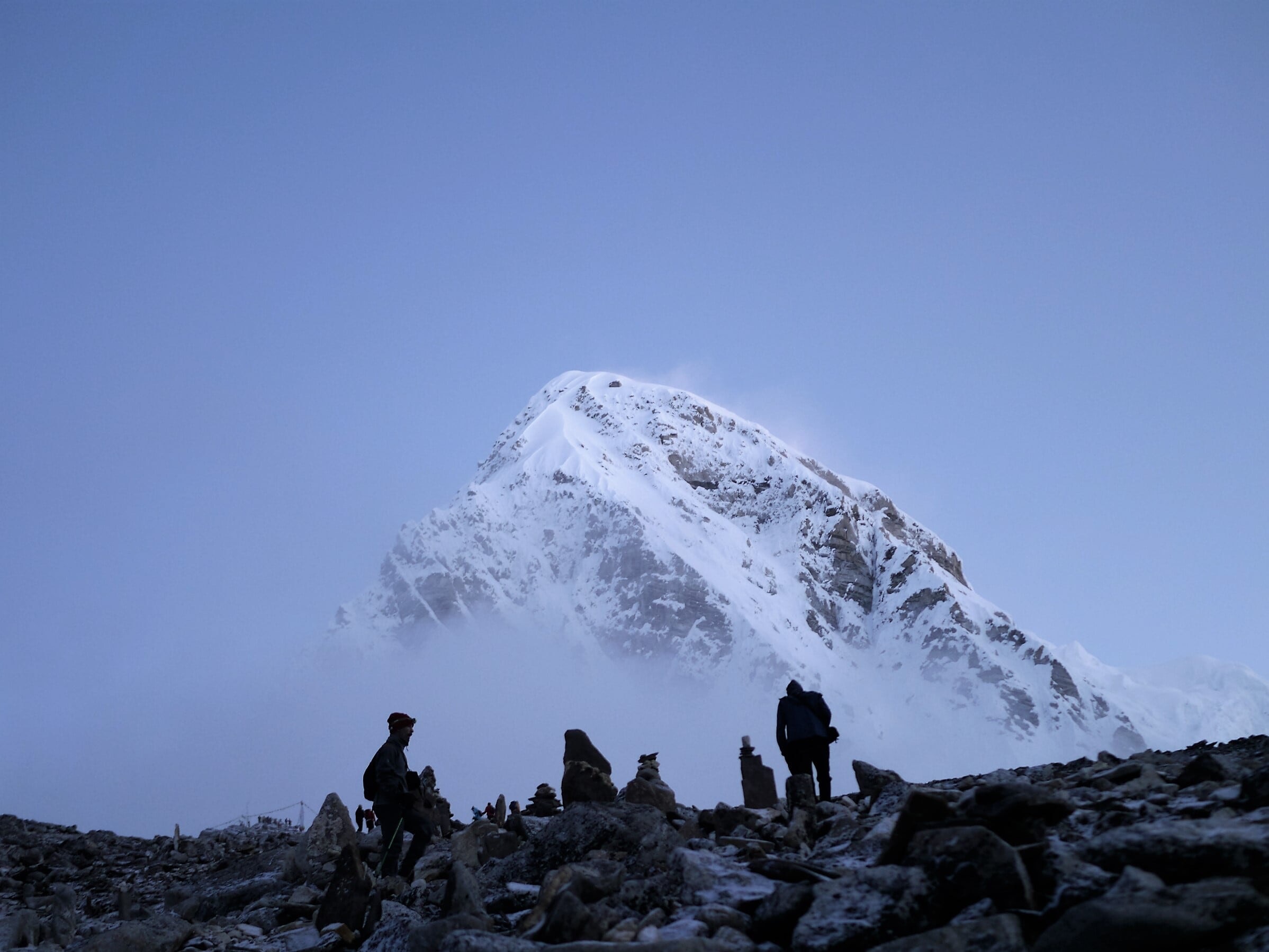
Lama Hotel 2470m

Thulo Syabru
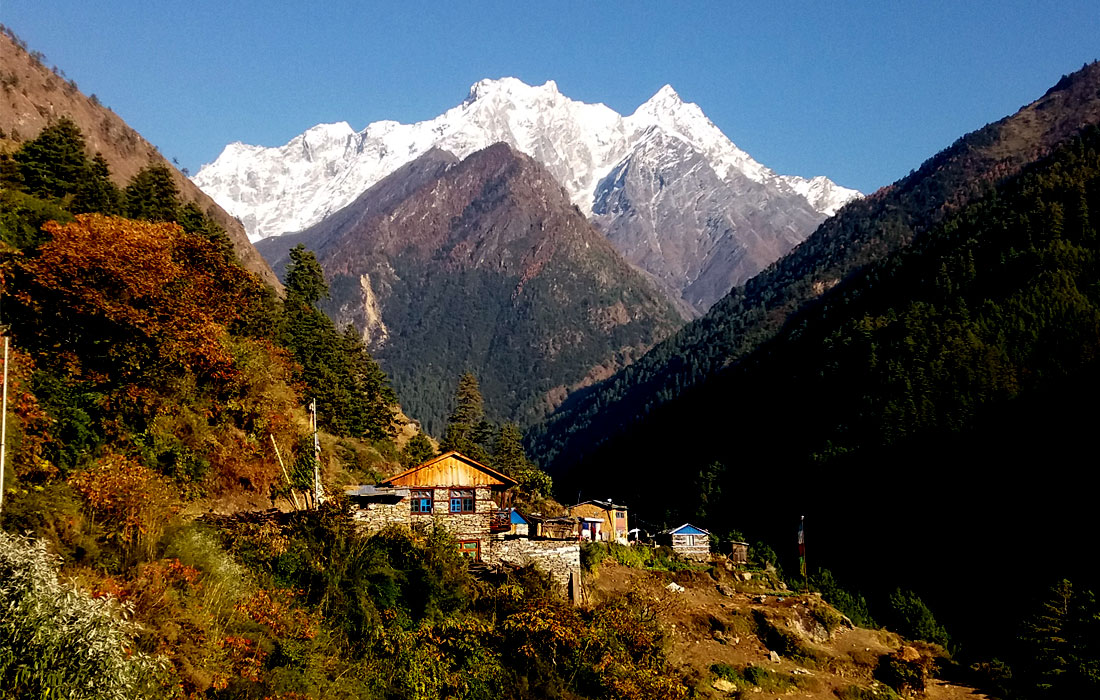
Sing Gompa
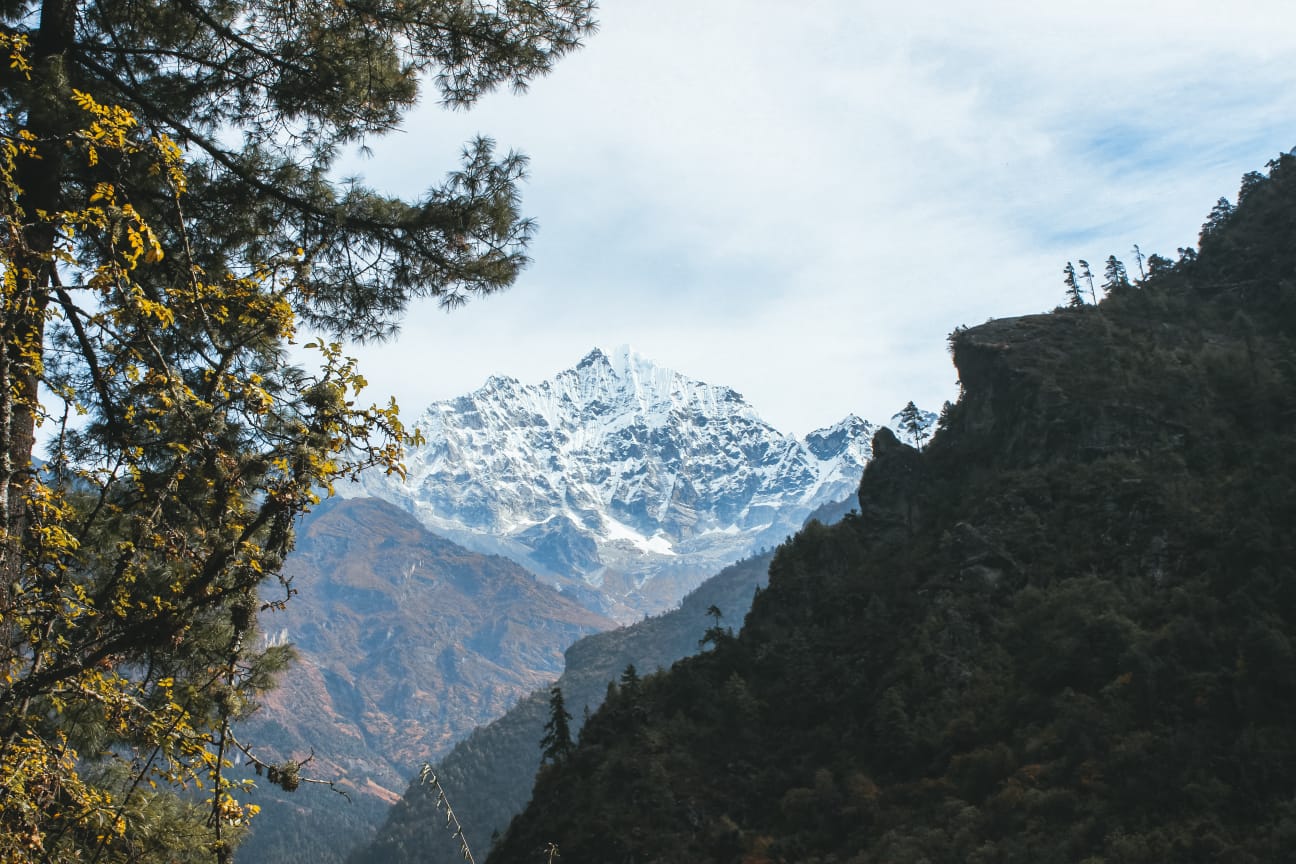
Gosaikunda 4460m
Ghopte 3440m
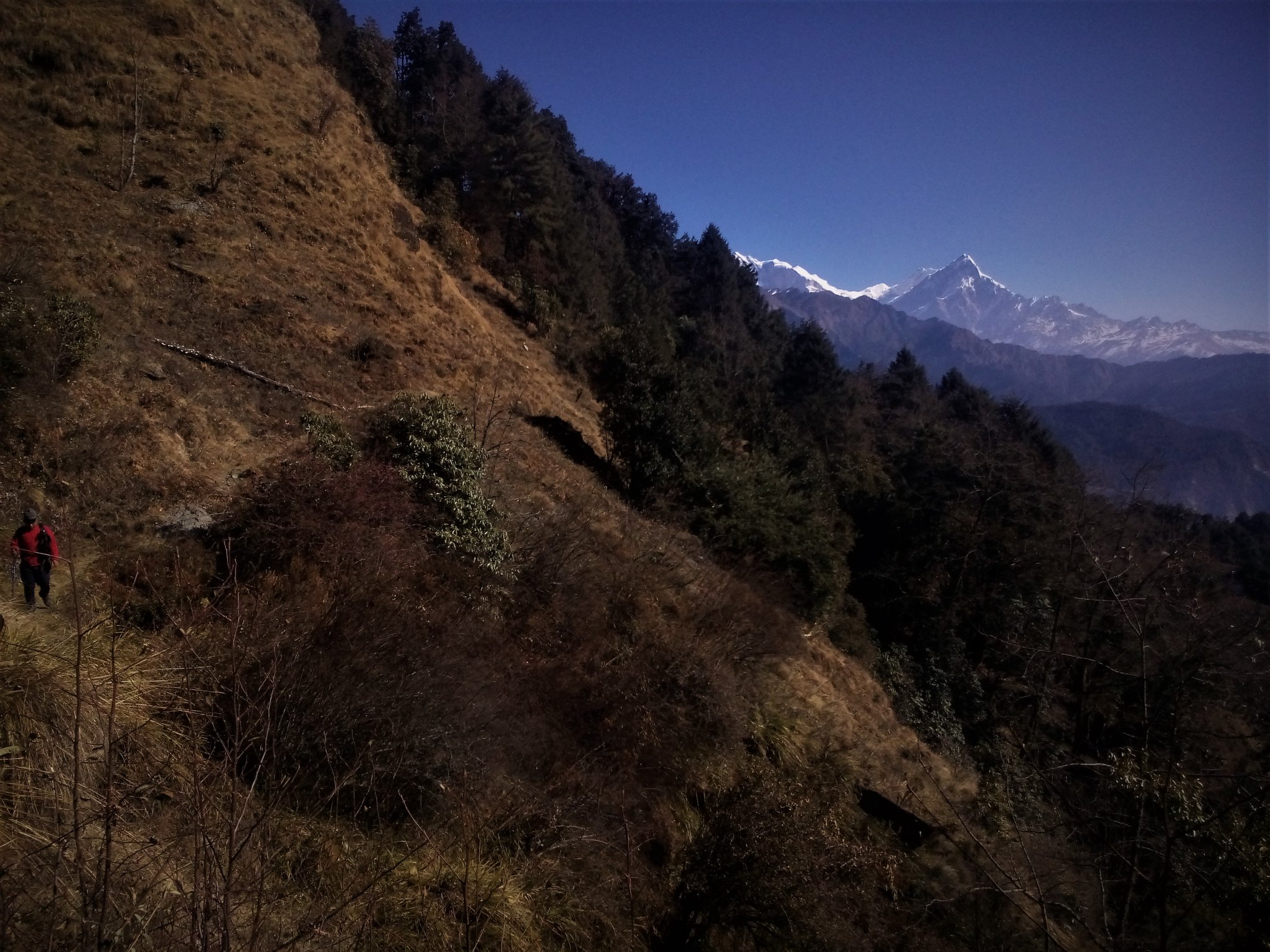
Melamchi Gaon 2610m
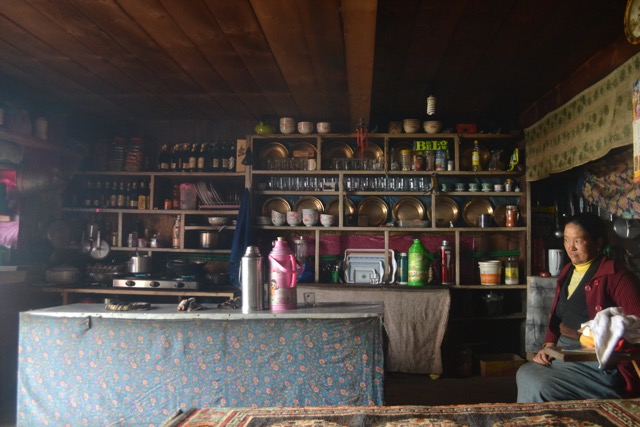
Tarkeghyang 2610m
Kathmandu 1400m.
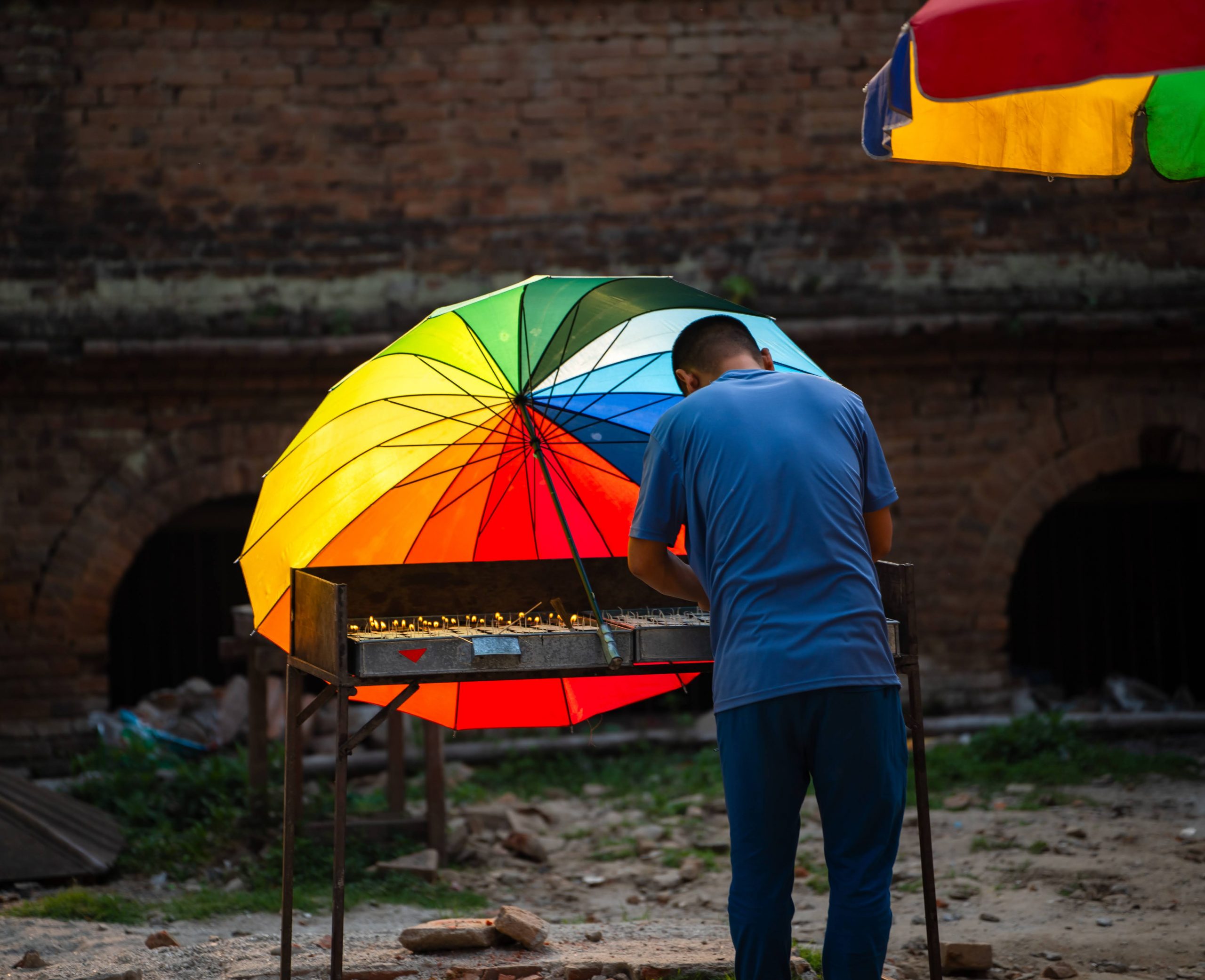
Kathmandu 1400m
Upper Body
1 set of Base/Thermal Layer (Merino is ideal)
1 mid-layer/Hoody (fleece or similar).
1 Set of outer layer
Waterproof trousers and top (gore-tex is ideal)
1 pair of lightweight trekking trousers or zip-off pants.
Hiking shorts
2 trekking t-shirts/shirts-merino is ideal
Four Season Sleeping bag.
Four Season Down Jacket.
1 pair of liner gloves.
1 warm wool hat.
1 buff or similar.
Sleeping bag liner
Underwear.
Feet
1 pair of trekking boots (must be worn in).
Sandals or hut shoes.
1 pair of thick walking socks / 2 pairs of lighter walking socks.
Running Shoes or sneakers.
Toiletries
Travel towel.
Sun cream.
Hand gel.
Moisturizer.
Lip Balm.
Face Wash.
Listerine mouthwash.
Toilet Paper.
Soap
Shampoo
Tooth Brush
Tooth Paste
Razors.
Optional
Trekking poles.
Personal medication and first aid kit.
Power bank.
Playing Cards.
Book.
1 small roll of repair tape, 1 sewing repair kit.
1 small folding knife.
Maps.
Note and pen.
Thermal Flask
Permanent Marker
Adhesive Hand or toe warmer
Warm scarf
Fleece Pants
Blister stickers
How to get the Visa?
Visas are available upon arrival at the airport in Kathmandu. When you arrive, you will fill out a form first at a kiosk and then proceed to a banking desk where you will pay the Visa fee (USD 50 for 30 days US$30 for 15 days). You might be able to pay with a credit card, but bringing cash (USD) with you expedites the process. With that receipt and the form you filled out, you will proceed to the immigration officer who will issue you a visa. During the peak tourist season, the immigration desk can get congested, which can be a hassle.
How much do I need to budget?
Your spending on this trip will depend on your personal preferences and appetite. As a general guideline, it is recommended to budget around US$30-35 per day for expenses such as meals, chocolates, showers, internet, and drinking water.
When to book a return ticket?
It’s recommended that you schedule your return flight for 2 days after the default itinerary ends. This allows for an additional day in Kathmandu after your trek. Or if you want to extend your trip to Chitwan then you can book the flight that fits your plan.
Do I need the photo for my visa and permit?
Yes, you need one for a trekking permit.
What should I do if my luggage did not arrive on my flight?
File a report: Report it to the airline’s baggage service office at the airport.
Get a tracking number: Ask for a tracking number so that you can check the status of your luggage.
Provide contact information: Provide the airline with your contact information and the name and address of the hotel you are staying at. Keep the form: Make sure to keep a copy of the report you filed at the airline’s office in the airport. To be on the safe side it is advisable to pack essential trekking gear in your hand luggage on an international flight.
What currency do I bring?
Nepal uses the Nepalese Rupee as its currency. It is viable to carry NPR (Nepalese Rupees) to pay for the meals and other services you use along the way because all the prices for the services, meals, drinks, etc are quoted in NPR.
You can bring US$/GBP/AUS $/Euro and exchange them at an exchange booth on every street. However, they don’t follow the rate published by the Central Bank of Nepal.
Make sure that the foreign currency notes you bring are not old, torn, or faded as it is difficult to exchange them.
For better rates, you can go to the local bank in Kathmandu with your passport and it may take between one to one and a half hours, and they only do cash service till 3 pm local time. Saturday is a bank holiday and Friday is a half holiday.
Getting cash out of an ATM usually gives the best exchange rate but they will charge around $5 on each transaction. In a single day, you can withdraw NPR 100000 only but not more than NPR 35000 in one transaction. This means you have to make multiple transactions and on each transaction, you will be charged around $5. If you are planning to use cards to withdraw cash from an ATM booth, make sure to inform your card issuer that you will be using it outside Europe/America/Australia.
How does drinking water work?
Drink only treated or boiled water and avoid using bottled water. The best option is to bring a filter to treat the water so that the taste of the water remains natural. You can also bring purifying tablets but it ruins the taste of water.
What can I rent in Kathmandu?
Sleeping Bag and Down Jacket
What is the local culture like?
Nepal has a diverse and rich culture that is heavily influenced by its history, and religion. As a tourist, you may encounter locals who approach you to chat, take pictures, or sell goods.
The roads in Kathmandu are busy most of the time so you might get stuck in traffic jams whenever you take local transportation. It is not uncommon to see cows, and dogs in the middle of the roads, beggars around the temple, and street children in the streets of Thamel. Please refrain from giving money and food to these people.
The local vendors try to charge higher than the normal price. So make sure you have a good deal before you pay for whatever you want to buy.
However local restaurants have fixed prices for the meals they serve so no need to bargain the cost.
Local restaurants close after ten and bars but pubs remain open all night but it is good to go to bed before 10 pm.
Locals you meet in the pubs and bars are usually friendly and helpful but they can be rude sometimes depending on how you treat them. To stay safe, it is strongly advised that you remain sober and avoid consuming excessive amounts of alcohol.
Back up fund
The itinerary we have planned is subject to change locally due to unavoidable circumstances. In such an event, the extra cost incurred is subject to be covered by you. Unavoidable circumstances we generally categorize are:
- Extreme weather
- Natural Disaster
- Pandemic
- Political Unrest, riots, and demonstrations. Road Closure due to landslides, broken bridges, accidents, etc. Health issues experienced by guests Common accidents that can occur such as slips and falls, ankle twists, etc.
How much does a porter carry?
Please bring a maximum of 10 kg. per person to ensure porters are not given more than 20 kg to carry in total.
Can I store my unnecessary luggage at the hotels in Kathmandu?
You can store your luggage at the hotel free of cost. You will need to fill out a form provided by the hotel to store your luggage.
Are there internet services available?
You can get the wifi at most of the tea houses at an extra cost of $1/2 but the reception might be intermittent.
Do I get altitude Sickness?
The likelihood of experiencing Altitude Sickness in Langtang Valley and Gosaikunda Lake is minimal, given the acclimatization, although altitude can affect your body in different ways. Some get mild to severe symptoms, while some remain completely unaffected. The effect varies according to your medical history, age, rest, food, and water intake. While there is no fixed way to prevent the effect of altitude, the general guidelines to avoid are to eat and drink properly, sleep well, avoid speeding up the pace, and have a positive mindset.
Can I bring a drone?
Taking a drone inside the Langtang National Park requires a permit from the National Park Authority and the government of Nepal. The process to obtain a permit is lengthy and costly. If you intend to bring a drone please let us know in advance so that we can begin the process.
Included
Accommodations.
Ground Transportation.
Permits and National Park Fees.
Guides and supporting staff.
Welcome meal.
Excluded
International Flights
Visa Fees
Meals
Personal Insurance
Personal Expenses
Tipping and gratitude
Extra Expenses due to unforeseen situation
Drinking Water
Accommodation
All the accommodations are on a twin-shared basis. You will get standard accommodations with breakfast in Kathmandu and two-bed simple accommodation In the mountain tea house/lodges, where toilets and bathrooms are shared.
How to get there?
The trip starts and ends in Kathmandu so make sure to book the flight accordingly. You can book any flight you want that fits your trip’s start and end date. However, it is good to arrive before 3 pm local time so that you can make it to the group meeting and welcome dinner.
Supporting Crew
We make sure that every trip we run is led by a very experienced, professional, and friendly guide. All our guides are hand-picked, trained, and passionate about the outdoors.
Difficulty Level
The trek is leveled as moderate to challenging, characterized by its length, moderate to difficult ascent and descent, and moderate elevation gain.
Weather Conditions
The weather should be good if you do this trek in peak season. But having said that it is advisable to be prepared for rain, clouds, and snow as these factors can significantly impact your trek schedule. The weather has been pretty unpredictable for the past few years due to global warming.
Fitness Required
Hiking with a backpack at least once a week, three months before the trip is recommended. Other exercises like jogging, running, and cardio regularly help you a lot.
Best Season
Any month between September to May but September to November and March to May are considered best.
Atmosphere of the Trek
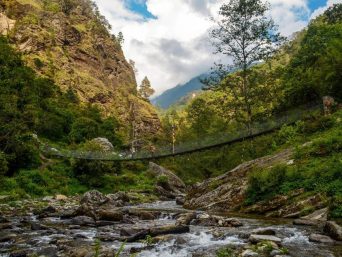
As you hit the trail, the tapestry of the mule train, suspension bridge, quaint villages, and lush forest brings you lots of energy and excitement. Morning offers stunning views and fresh air while evening provides an opportunity to be social, by the fire talking to your fellow trekkers, playing cards, riddles, or other fun games. But the steep trails and cold tea houses can bother you at times. But try to get the best out of what is before you, and you will have the experience of a lifetime.
A typical day in the mountains.
A typical day begins between 8-9 am depending on the length you are to cover. After walking for a couple of hours, there is a tea break, followed by a lunch break at another place. Upon reaching the overnight lodge, check in your room, freshen up and gather in the dining hall, order dinner, and get it served between 6 to 7 pm. After dinner, you will get the briefing about the next day and play cards, riddles, and other fun games.