Trip Overview___
Quick Outlook
Start/End Point
Kathmandu
Trip Length
16 Days
Difficulty Level
Moderate to Difficult
Group Size
2-12
Average Time Per Day
6 hrs.
Highest Elevation
Kalapatthar 5550m
Trip Introduction
The Everest Base Camp Trek in the Sagarmatha National Park of Solukhumbu district is one of the sought after trekking tours in Nepal. Join our guided Everest Base Camp Trek for an unforgettable adventure into the heart of the Himalayas.
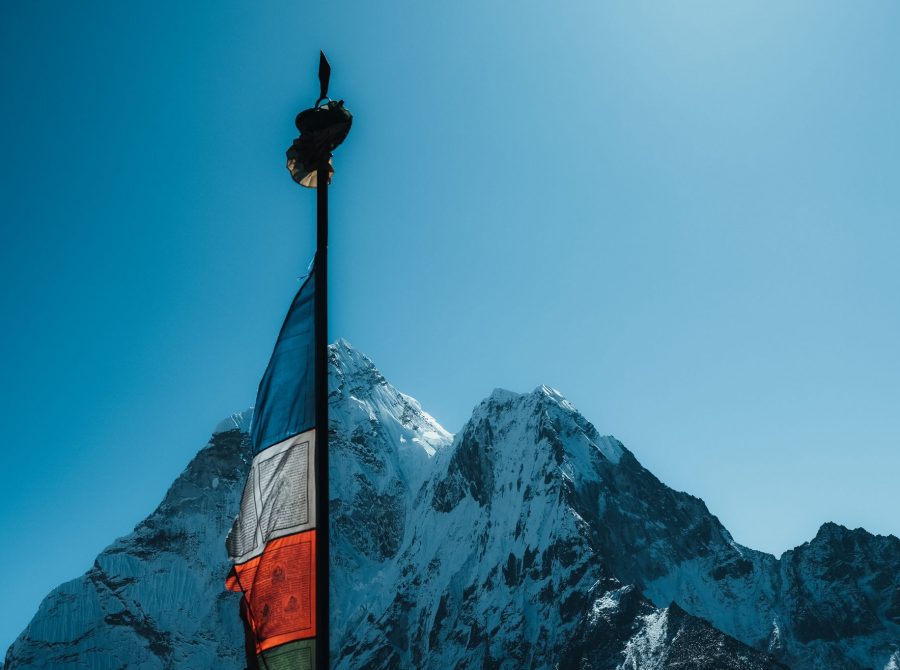
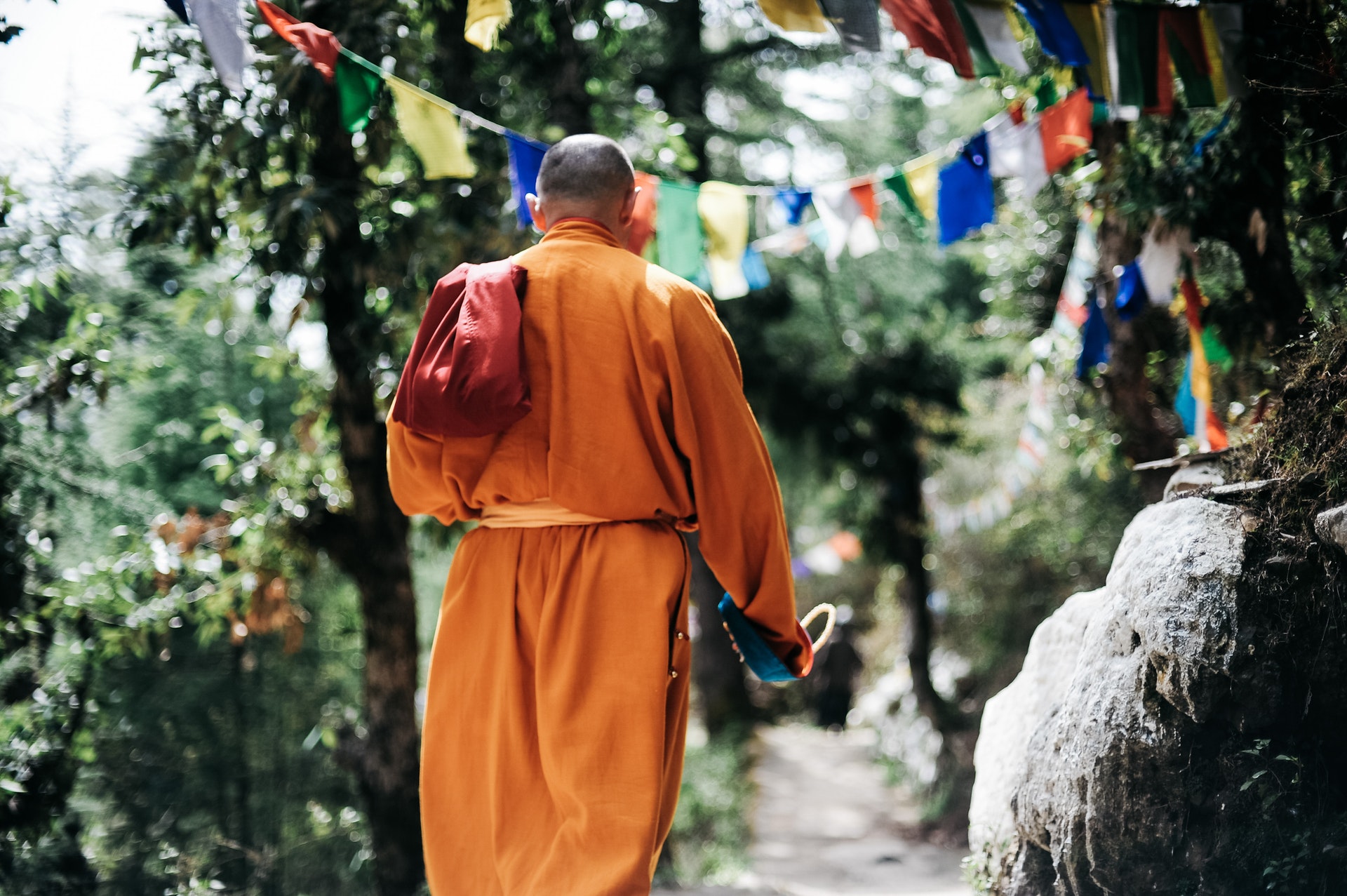
The Everest Base Camp Trek unravels the river valleys, suspension bridges, prayer wheels, and vibrant Sherpa culture experiences. The Himalayan trek lets you share the trails with Buddhist monks, Yaks, Mules and ever-smiling locals. Visit the centuries old monasteries and embrace the peace while soaking in the grandeur of towering peaks just a stone’s throw away. As you ascend, walk across the glaciers and reach the Everest Base Camp in one piece.
The difficulty level of Everest Base Camp Trek is rated moderate to challenging due to its distance, elevation gain and rugged terrain. Being one of the best high altitude treks in Nepal, the trek combines the most diverse terrain, including glaciers, moraine and river valleys leading to the foot of the world’s highest mountain.
Autumn and Spring are two best seasons to trek to Everest Base Camp. The weather in Spring and Autumn remains stable and favorable for both internal flights and stunning views. Moreover, the temperature remains ideal too, though early Spring and Late Autumn can be little bit chilly.
Our 16-day Everest Base Camp Trek includes two travel days, two days in Kathmandu, and 12 days on the trails. The journey begins at Lukla and follows the Dudh Koshi River valley, crossing the Twin Bridge at Dobhan before reaching Namche Bazar. Unlike most operators, we skip the Everest View Point hike in Syangboche and instead visit Thamo village for a peaceful Sherpa cultural experience. Those eager to walk more can extend to Thame, Tenzing Norgay’s birthplace. From Namche, we hike to Syangboche for breakfast with breathtaking views of Everest, Nuptse, Lhotse, and Ama Dablam. A night in the beautiful Khumjung Valley offers a restful break. The final two days to Base Camp are the most challenging due to the rugged terrain and high altitude. Proper preparation is essential. Completing this trek leaves you with an immense sense of pride that lasts a lifetime.
Book your spot now and live your dream.
Trip Highlights
Scenic Flight to Lukla:
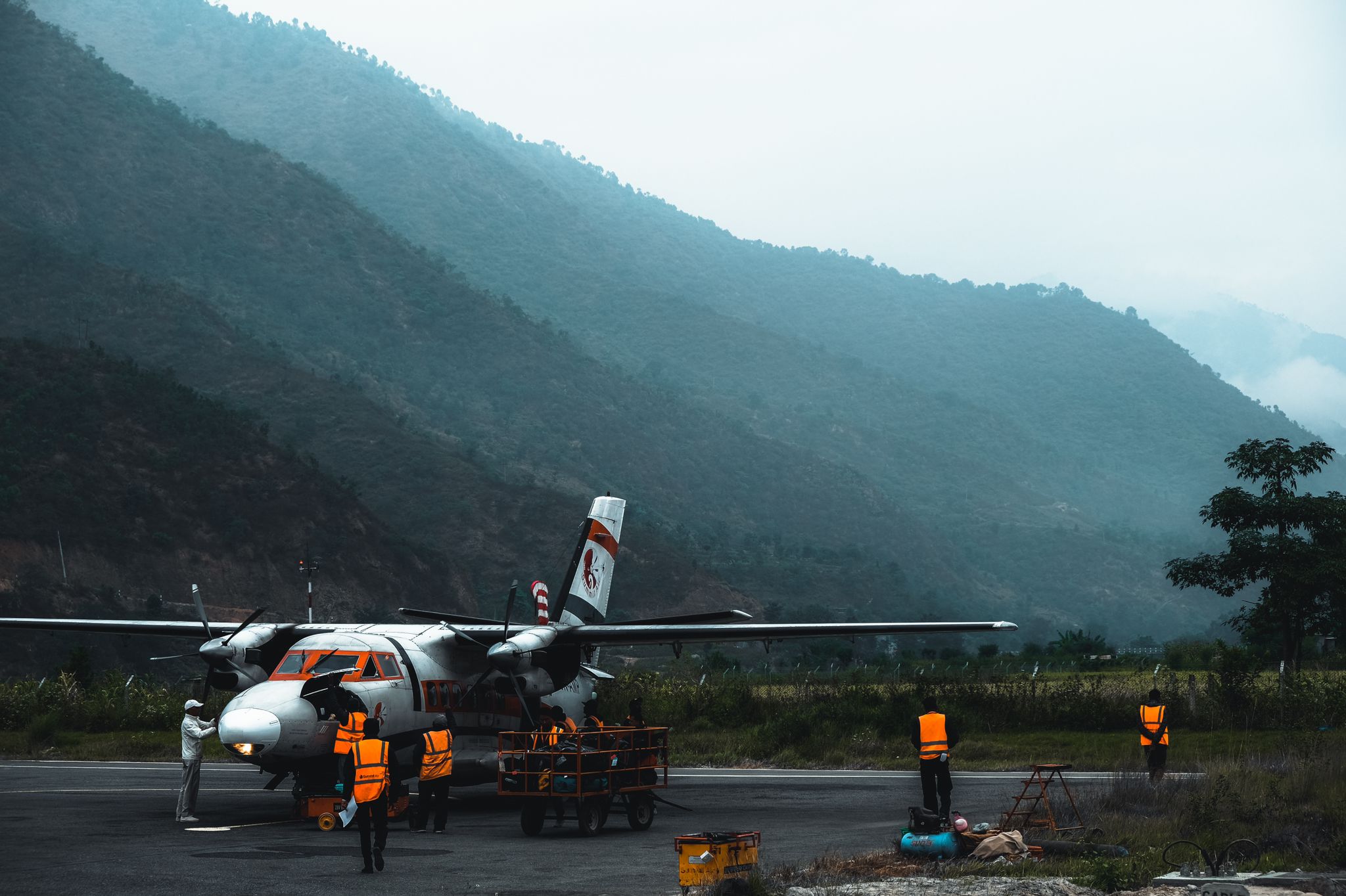
Get on board twin otter aircrafts and fly for 20 minutes. Experience a thrilling, yet scenic flight to Lukla, with a stunning view of mountains.
Namche Bazaar-The Sherpa Capital
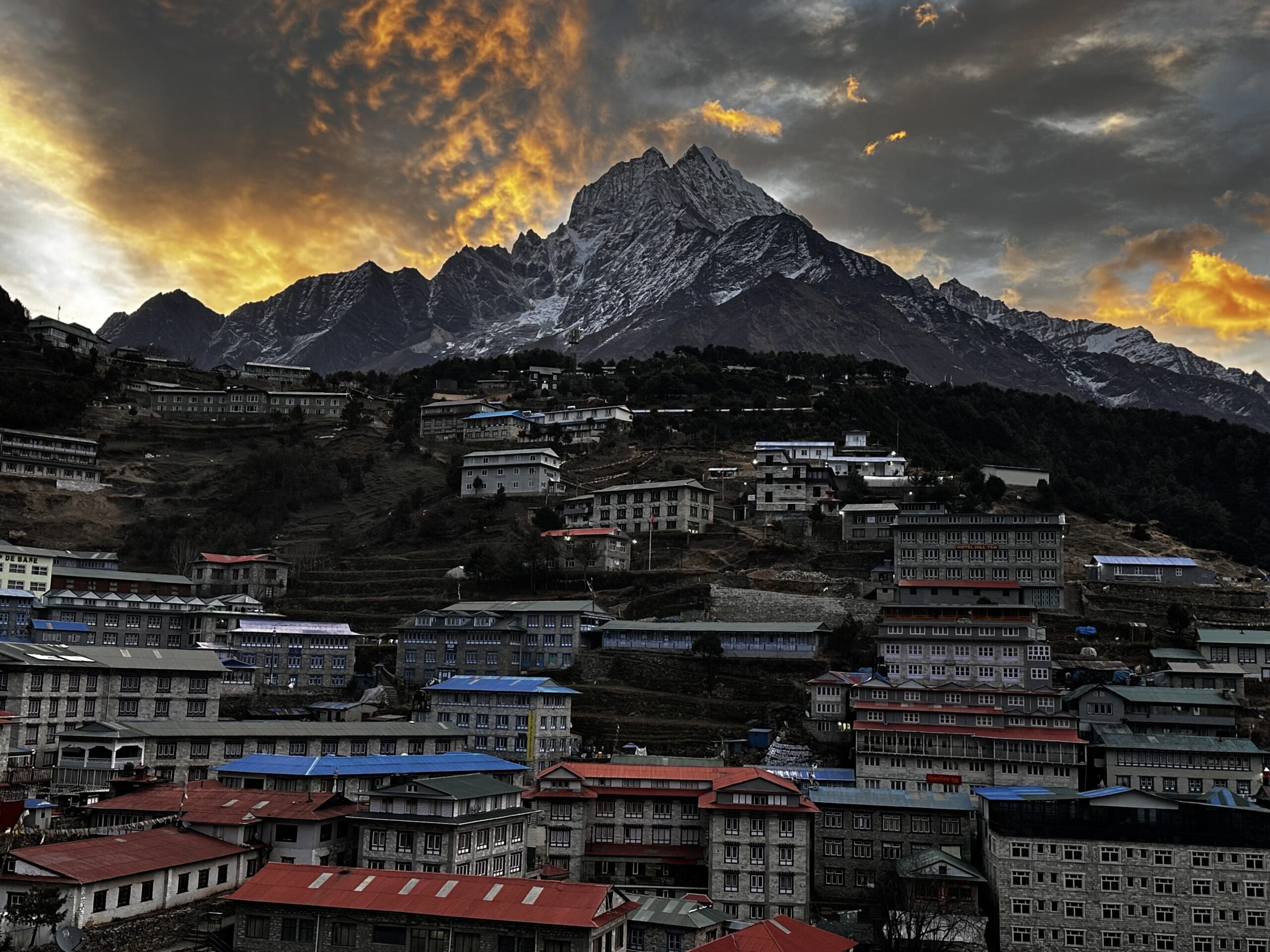
A trade hub between the people of Khumbu and Tibet in the past, is now a trekkers hub and acclimatization zone, offering the services like lodges, shops, cafes, and the stunning view of Mt. Thamserku and Kongde Ri.
Khumjung: The Green Village
Khumjung is a Sherpa village cradled beneath Khumbu Yui La and has a monastery with a Yeti Scalp and a school built by Sir Edmund Hillary. While all the houses in this village feature green zinc roofs.
Stunning Mountain Views
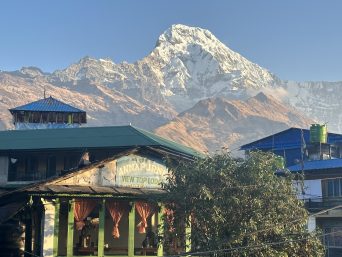
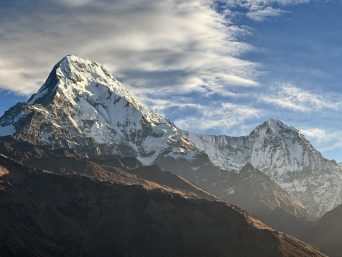
Treat yourself by stunning views of some of the world’s tallest mountains, including: Mt. Everest (8848.86m), Lhotse 8516mn, Nuptse 7816m, Pumori 716m, Ama Dablam 6812m.
Everest Base Camp: The Ultimate Destination.
Reach Mt. Everest Base Camp 5364 m while standing atop Khumbu Glacier. Take your time and embrace the accomplishment.
Kala Patthar: A Cherry On A Top
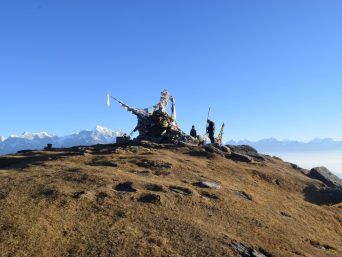
Scale the massive height of 5550m after the hike to Kalaptthar and witness the golden hues of sunrise illuminating Mt. Everest, Nuptse and Pumori.
Khumbu Glacier
Walk alongside the Khumbu Glacier from Thugla pass, and follow it all the way to Everest Base Camp.
Rich Sherpa Culture
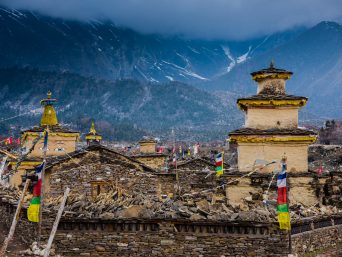
Visit traditional Sherpa villages like Namche Bazaar, Thamo, Khumjung and Dingboche and experience authentic Sherpa culture.
Diverse Landscapes
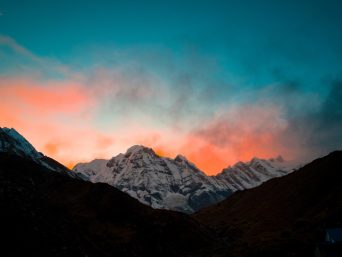
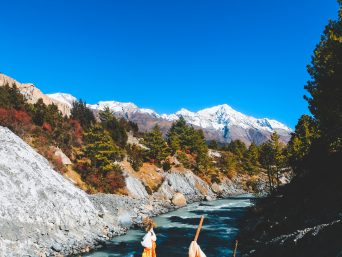
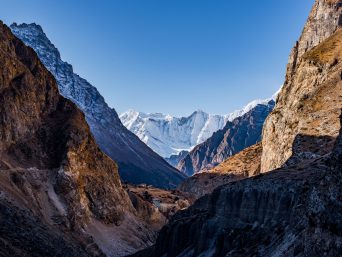
Trek through landscapes that change every day, from lush forests and alpine meadows to glaciers and moraines.
Suspension Bridges
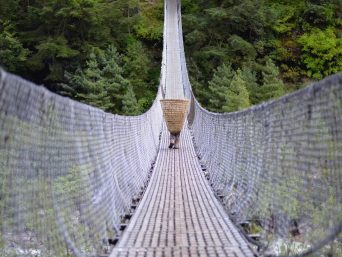
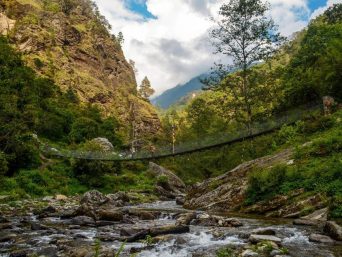
As you set out, you will cross several suspendion bridges. Altogether, there are eight suspension bridges and some of them are over 100m high.
Included
Excluded
Accommodation
International Flight
Transportation
Visa Fee
Trekking Permit
Personal Expenses
Guide and Supporting Staffs
Travel Insurance
Internal Flights
Tipping and Gratitude
Welcome Meal
Drinking Water
Gallery
Kathmandu 1400m.
Kathmandu 1400m
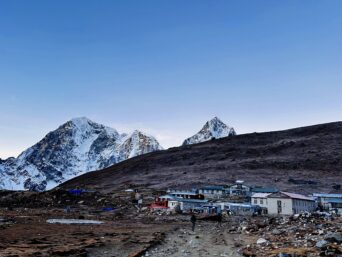
Lukla 2860m Phakding 2640m
Namche 3440m
Thamo 3700m.
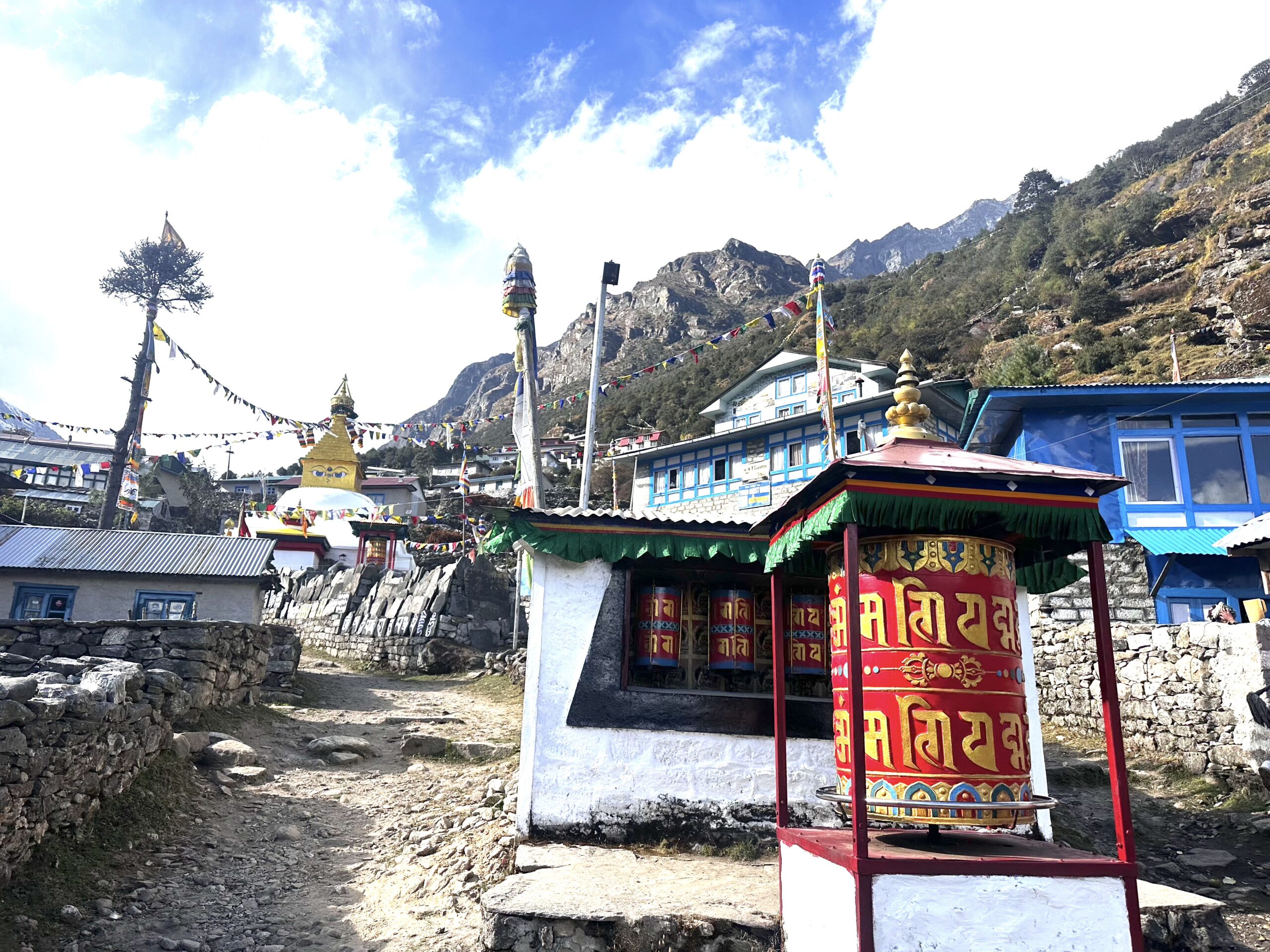
Khumjung 3780m
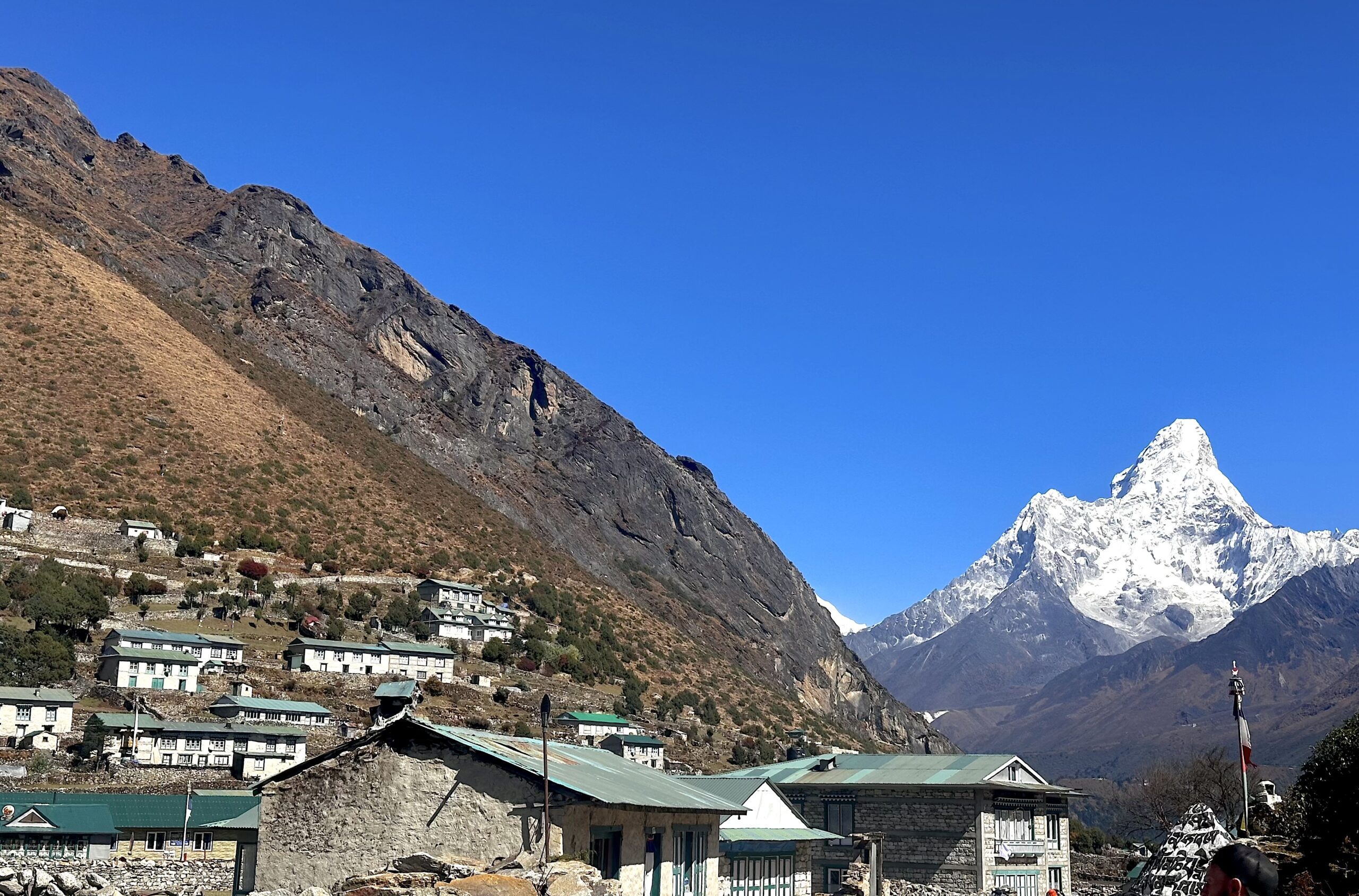
Phortse 3950m.

Dingboche 4410m.
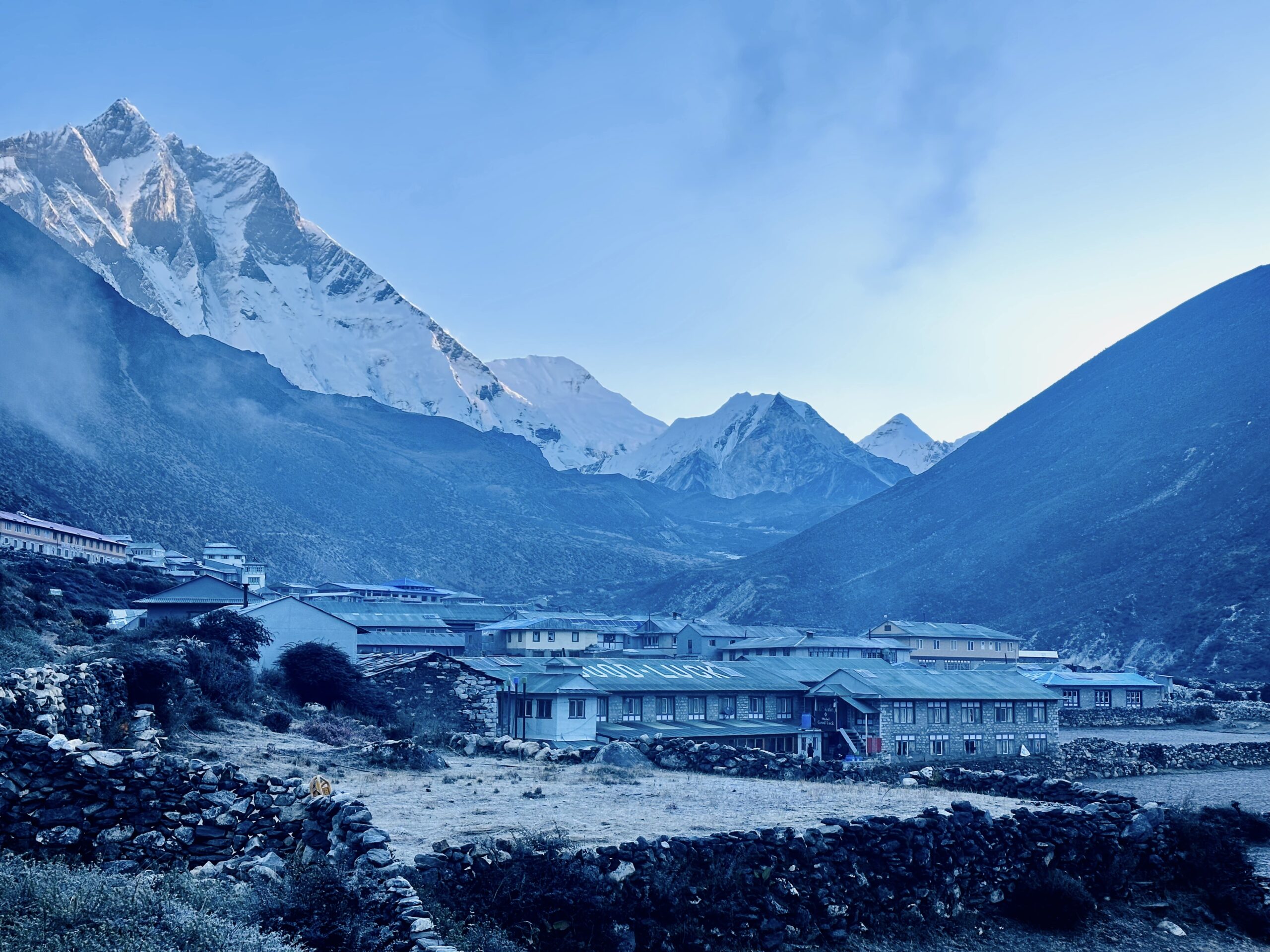
Dingboche 4410m
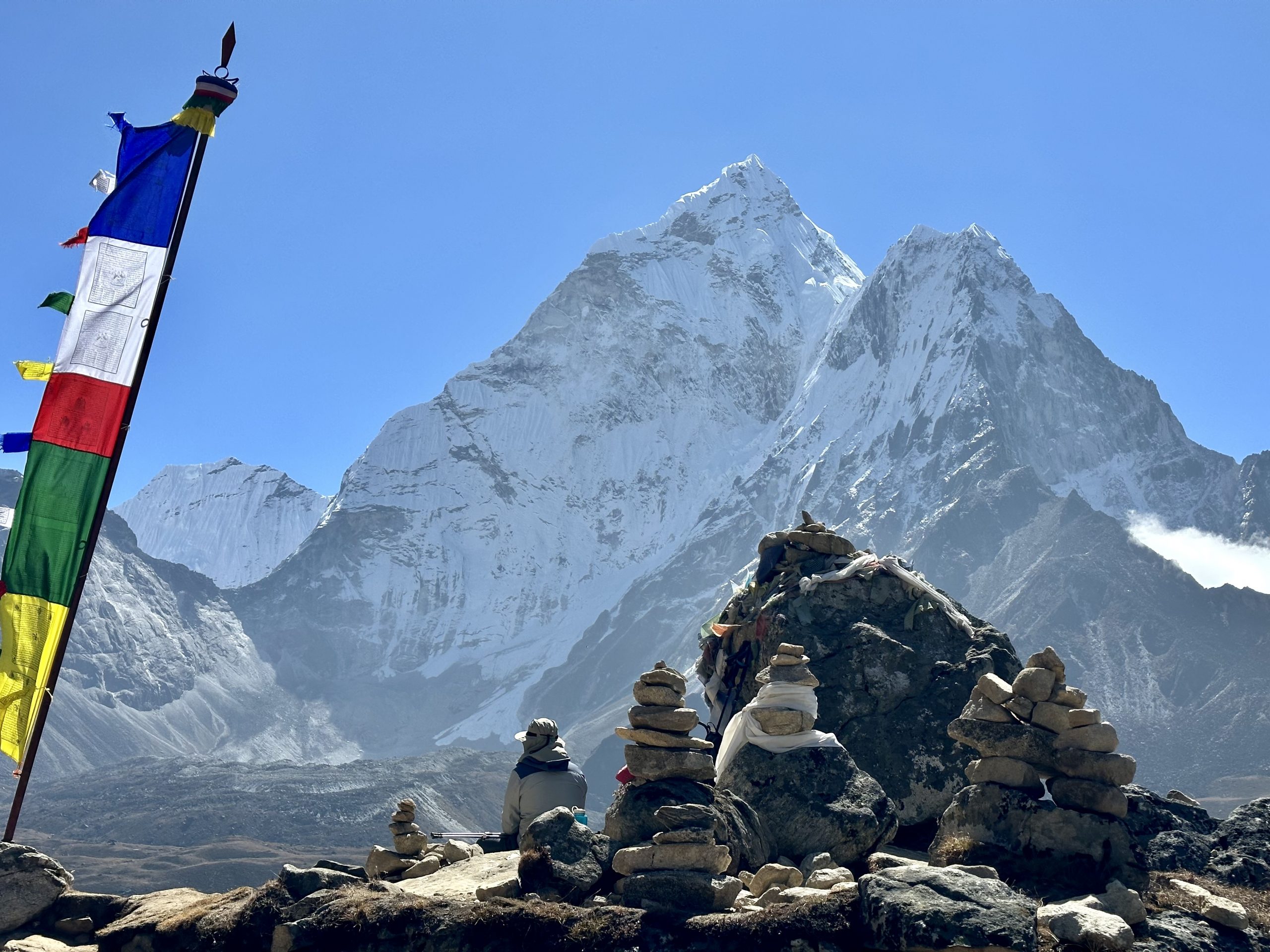
Lobuche 4900m.
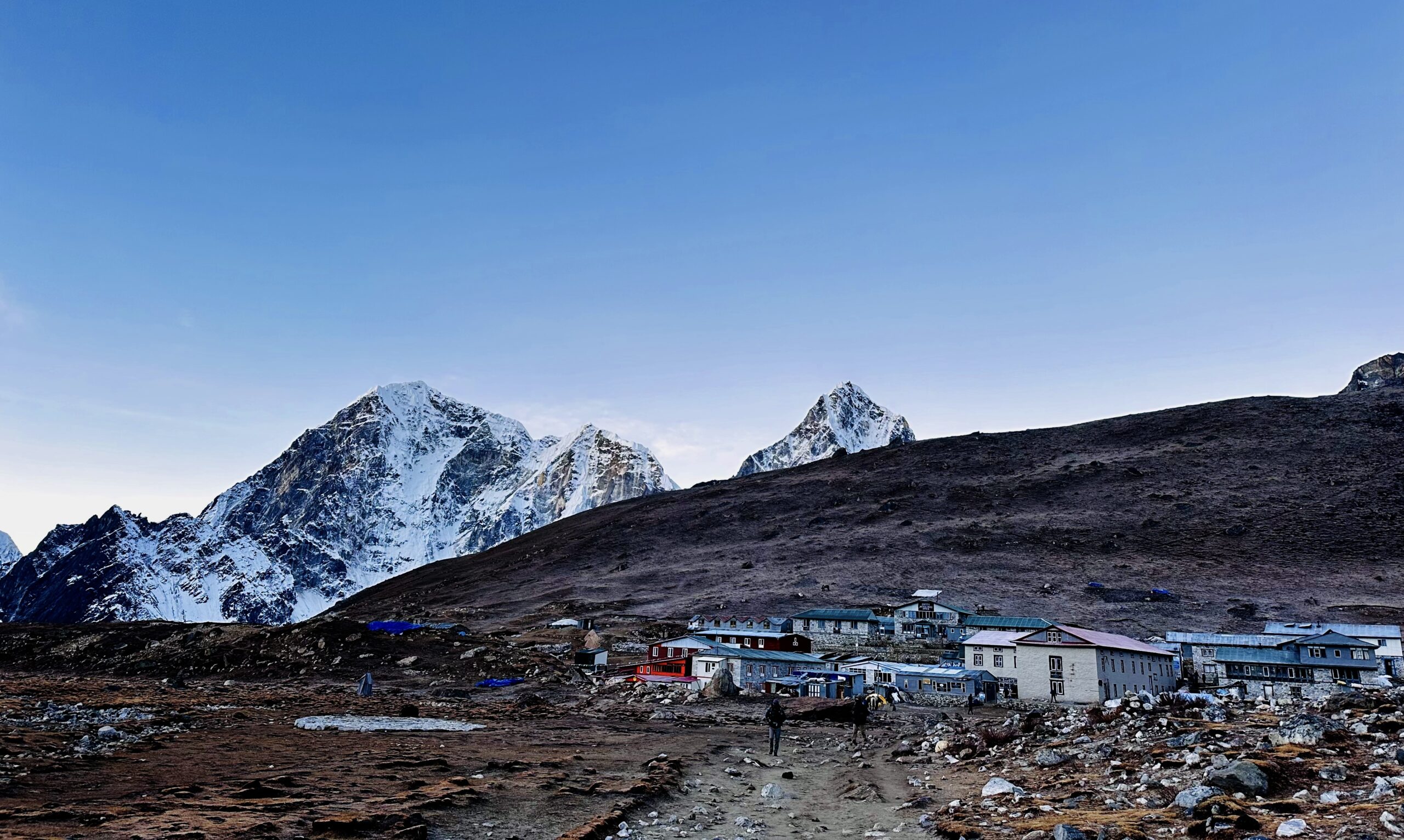
Everest Base Camp 5364m Gorakshep 5100m

Kalapathar 5540m Pangboche 3985m
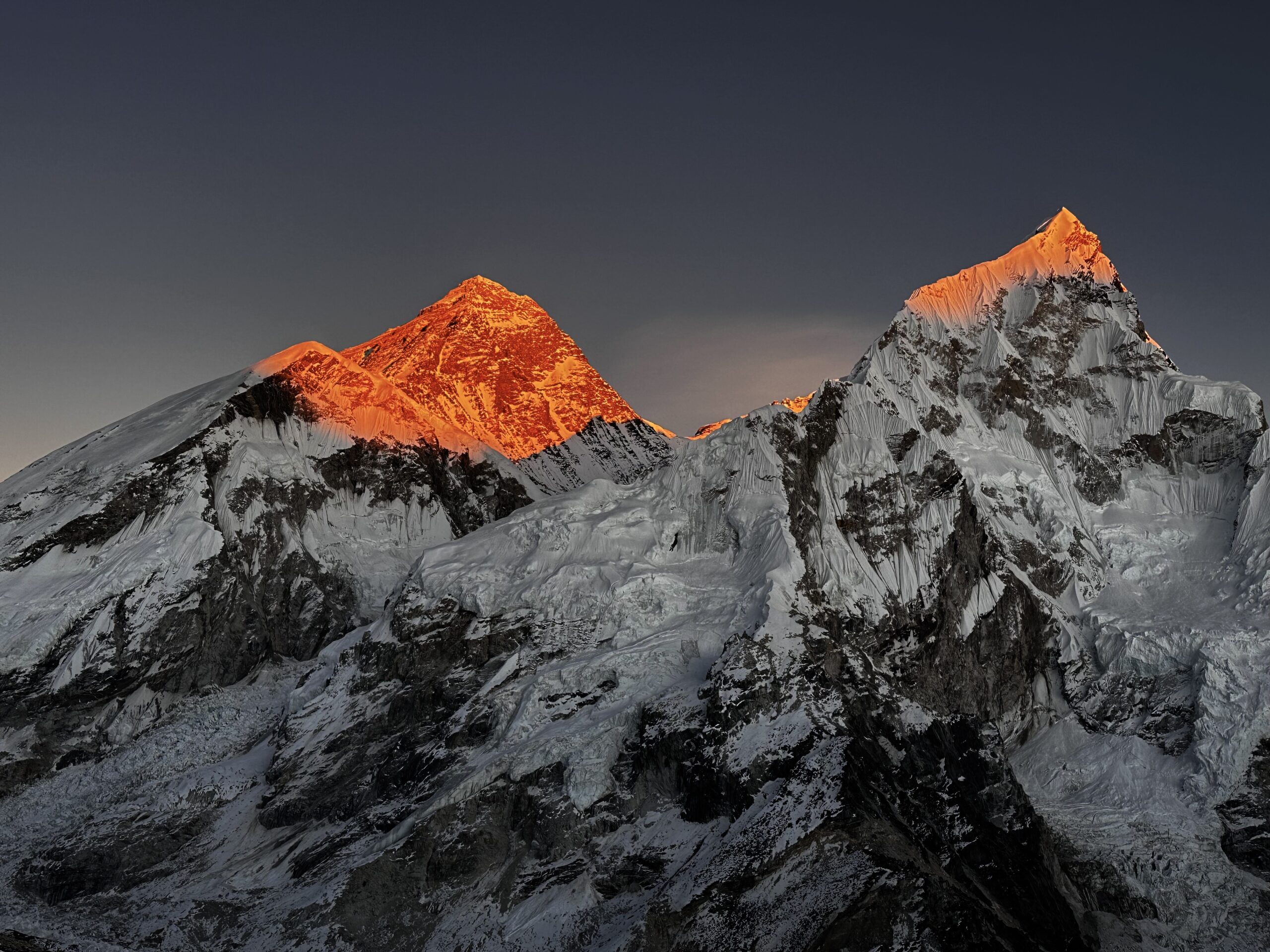
Namche 3540m
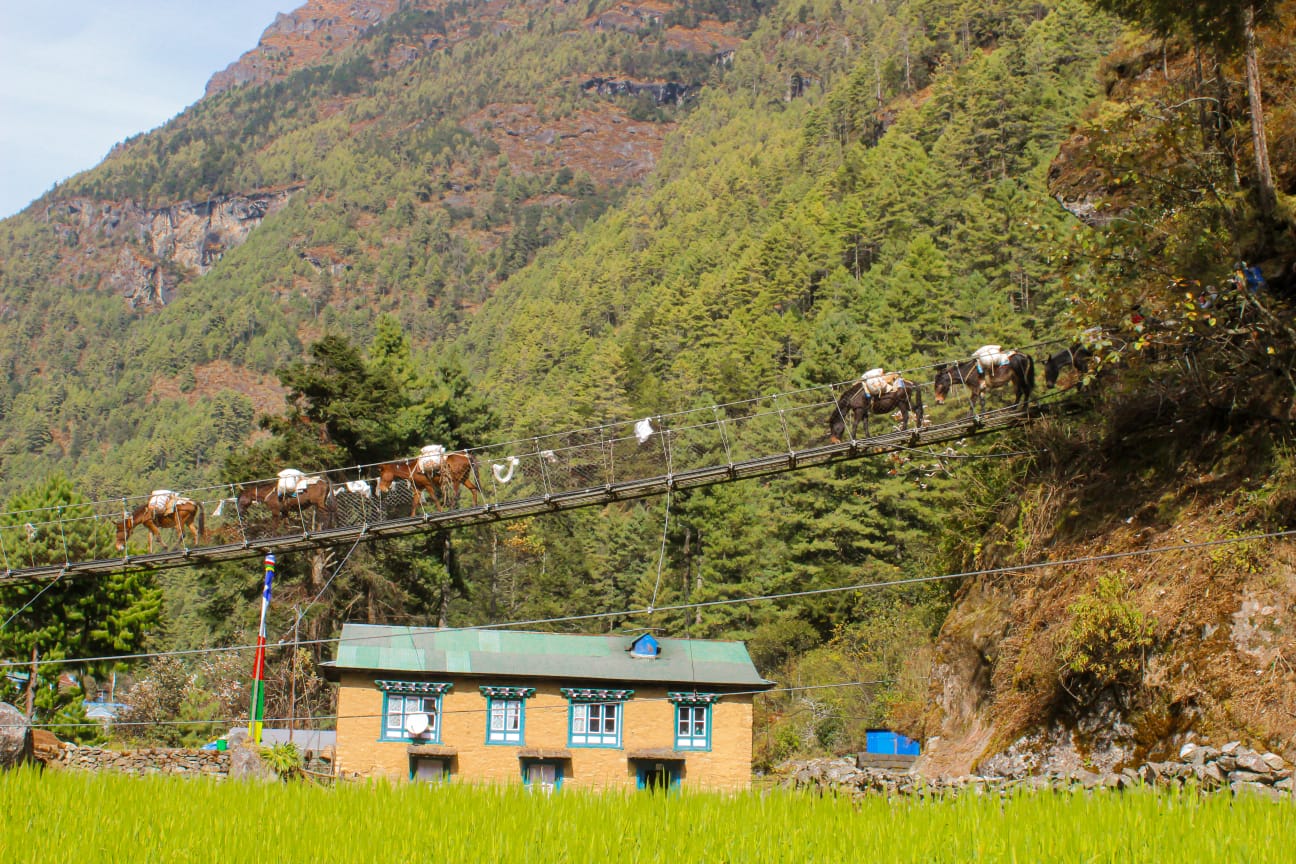
Lukla 2860m

Kathmandu 1400m
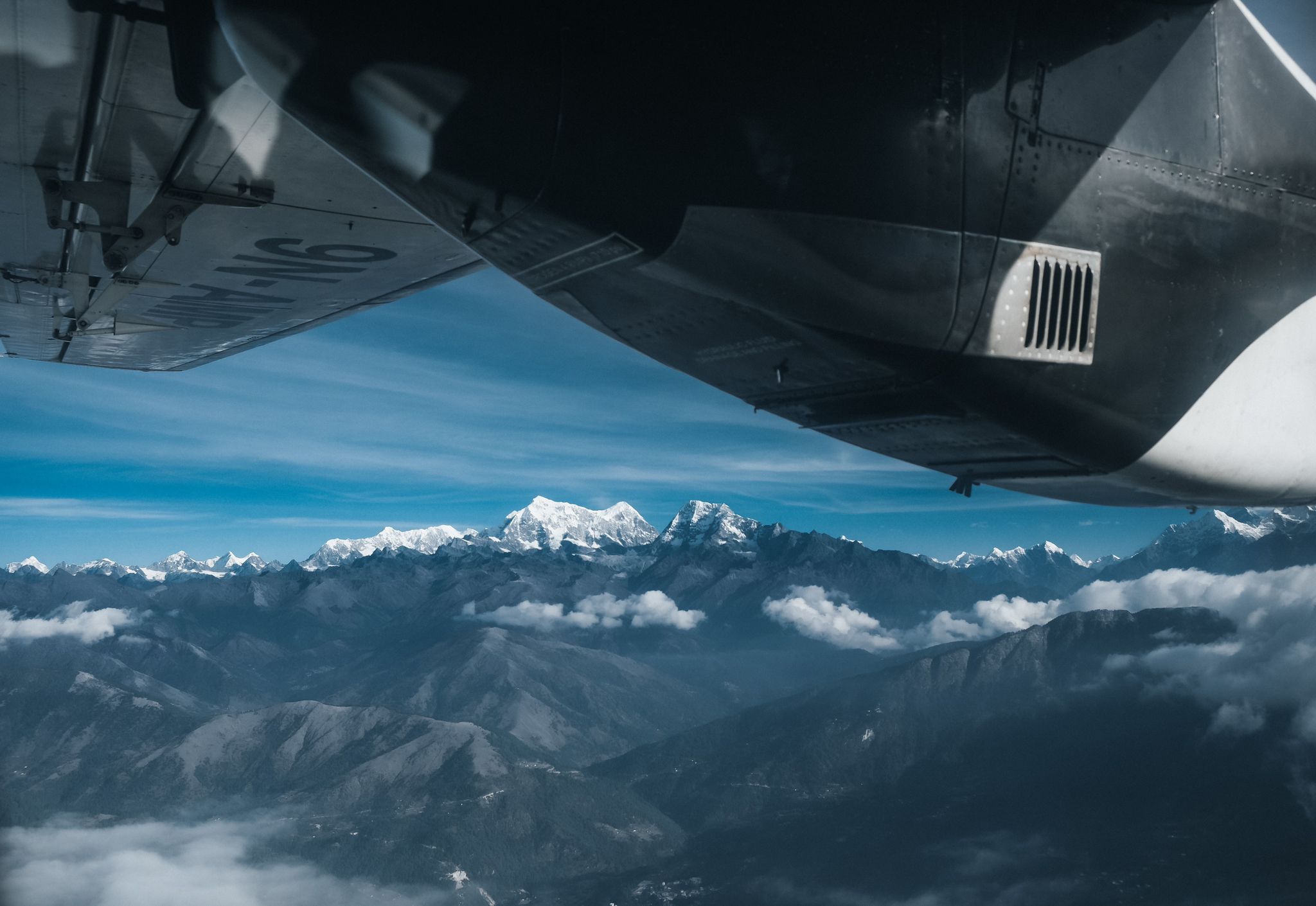
Kathmandu 1400m
Layers
1 set of Base/Thermal Layer (Merino is ideal)
1 mid-layer/Hoody (fleece or similar).
1 Set of outer layer
2 sets of Merino Top.
Waterproof trousers and top (gore-tex is ideal)
1 pair of lightweight trekking trousers or zip-off pants.
Fleece trouser
2 trekking t-shirts/shirts-merino is ideal
Four Season Sleeping bag.
Four Season Down Jacket.
1 pair of liner gloves.
1 warm wool hat.
1 buff or similar.
Sleeping bag liner
Feet
1 pair of trekking boots (must be worn in).
Sandals or sliders.
3 pairs thick walking socks / 3 pairs lighter walking socks.
Toiletries
Travel towel.
Sun cream.
Hand gel.
Moisturizer.
Lip Balm.
Face Wash.
Listerine mouthwash.
Toilet Paper.
Soap
Shampoo
Optional
Trekking poles.
Running Shoes or Sneakers.
Personal medication and first aid kit.
Power bank.
Playing Cards.
Book.
1 small roll of repair tape, 1 sewing repair kit.
1 small folding knife.
Maps.
Note and pen.
Thermal Flask
Permanent Marker
Adhesive Hand or toe warmer
Warm scarf
Fleece Pants
Hiking shorts
Laundry Clips
Down Booties
What gear for Everest Base Camp Trek Can I rent in Kathmandu?
You can rent a sleeping bag and a down jacket for around $2 per day per item.
What currency do I bring for Everest Base Camp Trek?
Nepal uses the Nepalese Rupee as its currency. It is viable to carry NPR (Nepalese Rupees) to pay for the meals and other services you use along the way because all the prices for the services, meals, drinks, etc are quoted in NPR.
You can bring US$/GBP/AUS $/Euro and exchange them at an exchange booth on every street in Thamel. However, they don’t follow the rate published by the Central Bank of Nepal.
Make sure that the foreign currency notes you bring are not old, torn, or faded as it is difficult to exchange them.
For better rates, you can go to the local bank in Kathmandu with your passport and it may take between an hour to hour and half, and they only do cash service till 3 pm local time. Saturday is a bank holiday and Friday is a half holiday.
Getting cash out of an ATM usually gives the best exchange rate but they will charge around $5 on each transaction. In a single day, you can withdraw NPR 100000 only but not more than NPR 35000 in one transaction. This means you have to make multiple transactions and on each transaction, you will be charged around $5. If you are planning to use cards to withdraw cash from an ATM booth, make sure to inform your card issuer that you will be using it outside Europe/America/Australia.
When should I schedule the return flight?
It’s recommended that you schedule your return flight for one day after the default itinerary ends. This allows for an additional day in Kathmandu after your trek, just in case there are any delays or cancellations with the internal flights. By doing this, you can avoid potential stress and enjoy your trip without worrying about missing your flight home.
How much does Everest Base Camp Trek cost?
It’s recommended that you schedule your return flight for one day after the default itinerary ends. This allows for an additional day in Kathmandu after your trek, just in case there are any delays or cancellations with the internal flights. By doing this, you can avoid potential stress and enjoy your trip without worrying about missing your flight home.
Do I Need to Have a Backup fund?
The itinerary we have planned is subject to change locally due to unavoidable circumstances. In such an event, the extra cost incurred is subject to be covered by you. Unavoidable circumstances we generally categorize are:
- Airport closure. Flight delay or cancellation
- Extreme weather
- Natural Disaster
- Pandemic
- Political Unrest, riots, and demonstrations. Road Closure due to landslides, broken bridges, accidents, etc. Health issues experienced by guests Common accidents that can occur such as slips and falls, ankle twists, etc.
What is the weight limitation for Lukla Flight?
You are allowed to carry 5 kg as hand luggage and 10 kg as checked luggage. If your bag exceeds the weight limit, you can pay extra fees, but it is advisable to stay within the limit.
How much does a porter carry?
Please bring a maximum of 10 kg. per person to ensure porters are not given more than 20 kg to carry in total.
Can I store my excess luggage at the hotel in Kathmandu?
You can store your excess luggage at the hotel free of cost. You will need to fill out a form provided by the hotel to store your luggage.
How does the drinking water work?
The quality and the quantity of drinking water on Everest Base Camp plays a vital role. There are four options you have available to you for drinking water on this trek.
- Purification pills:
Purification pills are the cheapest and easiest methods to purify the water. But they alter the taste of water. You can buy water purification pills at the local pharmacies in Kathmandu.
- Water filter:
Water filters are another effective method for purifying water on Everest Base Camp trek. Various devices are available for this purpose, with two common types: external filters and internal filters integrated into bottles. External filters typically use a pump or gravity to purify water, while internal filters are built into water bottles for convenience. Although water filters are slightly more expensive than purification pills, they have the advantage of preserving the natural taste of water.
- Boiled water:
Boiled Water is available at most of the tea houses at extra costs. The price ranges between 2-600 Rs per liter. If you want to use the boiled water, make sure your water bottle is heat-resistant.
- Bottled water:
Bottled water is available at tea houses and small trailside shops. Using bottled water is the easiest way to access drinking water. The cost for bottled water ranges between Rs. 100 to 400 per liter. It is not environmentally friendly, so we recommend avoiding its use unless absolutely necessary. An exception is at Gorakshep, where the water may appear dirty and might not be suitable even with filters or purification tablets.
How much should we plan for meals?
The cost for Everest Base Camp depends on your personal preferences and appetite. As a general guideline, it is recommended to budget around US$35-40 per day for expenses such as meals, chocolates, showers, internet, and drinking water. Accommodations, internal flights, staffs and their wages, national park fees are covered.
What are the accommodations like?
The lodges in the Everest region are often called tea houses though the tea itself is one of the many things they sell. They primarily provide accommodation and meals but also provide other services like hot showers, towels, laundry internet, recharging the electronic devices. A typical tea house has a communal dining hall with a chimney which they lit after 5 pm.
Accommodations in Everest Region are basic and functional. Rooms usually have twin beds with a small table, a window and a bulb. The beds in tea houses are not spacious enough but enough for one person. The beds often come with blankets but it is still good to have your own sleeping bag. The tea houses in the Everest region do not have heating but some of them might have electric blankets to offer at extra cost. Most of the tea houses in Everest region have electricity, and those that don’t are equipped with solar back ups. So you don’t need to spend a night without a light but a charging facility is not available at your room. Toilets and bathrooms are not attached to your room so you will need to use shared facilities, most of which are western-style.
What is the food like?
The range of food you will get to eat on Everest Base Camp trek is diverse. The menus are filled with a list of traditional Nepali dishes and western cuisines. While the food available in Everest Base Camp trek might not be gourmet, but they are filling and meet the trekkers demands to many extent. Here is the overview of the foods.
Traditional Food:
Dal Bhat: Combo meals of rice, lentil and mixed vegetables. Served as lunch or dinner.
Momos: Dumpling filled with meat and vegetables. Served as lunch or dinner
Tibetan Bread: A deep fried bread served with jam/honey/vegetable curry. Served as lunch or dinner
Sherpa Stew: A broth mixed with vegetables, noodles and meat. Served as lunch or dinner
International Food:
Pasta, Pizza, Burger, fried noodles: Served as lunch or dinner
Pan cakes, porridge and Eggs: Served as breakfast
Soup: Garlic soup is very popular and often considered as a remedy for AMS.
Breakfast: Porridge, Eggs (in different styles). Tibetan bread, pancakes, chapatis, bread/toast, butter and Jam.
Are there internet services available?
You can buy an Everest Airlink internet card at most of the tea houses that work for 24 hours for $ 7 and 48 hours for $13. During the peak hours i.e. between 4 to 8 pm, the reception might be poor.
How Difficult is Everest Base Camp Trek?
Rating the difficulty level of Everest Base Camp is always a subjective matter, and depends on person to person. But generally speaking, the difficulty level of the Everest Base Camp trek is rated moderate to challenging due to its length, daily walking hours, elevation profile. The total length of the Everest Base Camp trekking is roughly 130 km which you have to cover in just 12 days. The daily walking hours range anywhere between 4 to 10 hours. From Lukla to Lukla, you will gain and lose a total of approximately 8,000 meters in elevation. So an average fitness level is a must for Everest Base Camp trek, and some training before is strongly recommended. Please review the training plan we have outlined here. But the key is to pace yourself no matter how fit you are at sea level.
Do I get altitude Sickness on Everest Base Camp trek?
Trekking to Everest Base Camp involves the possibility of getting AMS. The altitude gained and lost en route can affect you on different days in different ways. It is quite obvious to experience mild symptoms such as mild headaches and nausea. There is no fixed way to prevent Altitude sickness as it can impact your body from various perspectives depending on your medical history, age, rest, food and water intake. The general guidelines to avoid are to eat and drink properly, sleep well, avoid speeding up the pace, and have a positive mindset. It is very important to prioritize safety and listen to your body. If the symptoms seem too severe, get down, regardless of how close you are to the top and how fit you are.
How To Train For Everest Base Camp Trek?
The Everest Base Camp trek is one of the challenging treks in Everest Region and in the entire Himalayan Belt. Considering doing it without proper training may put you in a very difficult situation. So the key is not to underestimate the Everest Base Camp trek and mistake it for being easy. We have outlined some training plans you may consider following. Please review them here.
Can I do the Everest Base Camp trek solo?
Yes, you can do a solo trek to Everest Base Camp but it is important to have past experience on high altitude trekking and the ability to adapt with altitude, navigate, and manage logistics.
We highly recommend hiring a guide or at least a porter for support and managing logistics. During the high season, tea houses at higher altitudes can fill up quickly due to their limited capacity, and you may find yourself moving from one tea house to another, struggling to secure a room. A guide can handle this for you. If you fall ill or need assistance, or if you’re unsure about what to do, your guide can advise you on the best course of action. Even in the high season, weather conditions can disrupt flight schedules, potentially leaving you stranded for days. With a guide, you’ll have someone to navigate these challenges and find the best possible solution.
Is Everest Base Camp Trek for beginners?
If you are a beginner hiker and do not lead an active life, then Everest Base Camp can be more challenging than you have thought. It’s because you have to walk 6/7 hours, with around 11/12 km every day to cover, on varied terrain, with low oxygen. However, even if you don’t have experience, if you lead an active life, and train for at least 8 weeks before the trip it is possible to do Everest Base Camp trek without any significant challenges. We strongly advise having a supporting staff to carry your backpack. If it is possible it is good to book a private trip and allocate one extra day, then what experienced hiker.
What is the distance of Everest Base Camp Trek
The total distance of Everest Base Camp trek is 130 km/81 miles. This does not cover the overland and flights.
What is the best time for Everest Base Camp trek?
The best time to trek Everest Three Pass is Spring and Autumn. Both seasons are around the monsoon.
Spring: Spring is considered the best time because of its warmer temperature, longer days and rhododendron flower that adds extra flavour. Trekking to Everest in the spring season offers good weather, creating favorable conditions for internal flights and stunning views.
Autumn: Autumn is another great season to trek to Everest region because of clear sky and stable weather, favourable temperature, and festive atmosphere. Since Autumn is followed by monsoon, trekking in early autumn offers green, fresh and colorful landscapes.
Can I bring a drone?
Taking a drone inside Sagarmatha National Park requires a permit from the National Park Authority and the government of Nepal. The process to obtain a permit is lengthy and costly. If you intend to bring a drone please let us know in advance so that we can begin the process.
How to get there?
The trip starts and ends in Kathmandu so make sure to book the flight accordingly. You can book any flight you want that fits your trip’s start and end date. However, it is good to arrive before 3 pm local time so that you can make it to the group meeting and welcome dinner.
How to get the visa to Nepal?
Visas are available upon arrival at the airport in Kathmandu. When you arrive, you will fill out a form first at a kiosk and then proceed to a banking desk where you will pay the Visa fee (USD 50 for 30 days US$30 for 15 days). You might be able to pay with a credit card, but bringing cash (USD) with you expedites the process. With that receipt and the form you filled out, you will proceed to the immigration officer who will issue you a visa. During the peak tourist season, the immigration desk can get congested, which can be a hassle.
Do I need the photo for my visa and permit?
No, you don’t
What should I do if my luggage did not arrive on my flight?
File a report: Report it to the airline’s baggage service office at the airport.
Get a tracking number: Ask for a tracking number so that you can check the status of your luggage.
Provide contact information: Provide the airline with your contact information and the name and address of the hotel you are staying at. Keep the form: Make sure to keep a copy of the report you filed at the airline’s office in the airport. To be on the safe side it is advisable to pack essential trekking gear in your hand luggage on an international flight.
Airport Pick Up
Look out for our airport representative holding your name and Junkiri sign at the end of the terminal hall. He will then drive you to the hotel.
What type of transportation is provided?
We will provide private vehicles for all the ground transportation as mentioned in the itinerary.
How much do I need to budget?
The cost for Everest Base Camp depends on your personal preferences and appetite. As a general guideline, it is recommended to budget around US$35-40 per day for expenses such as meals, chocolates, showers, internet, and drinking water. Accommodations, internal flights, staff and their wages, national park fees are covered.
Permits Required for Trekking in the Everest Region
Planning a trek in the breathtaking Everest Region? Make sure you have the necessary permits! You’ll need two key permits:
- Sagarmatha National Park Entry Permit
- Pasang Lhamu Rural Municipality Permit
Your guide will handle the process of obtaining these permits, which can be arranged either in Lukla or Monjo. The cost for each permit is NPR 3,000.
What to Expect from the Weather on Your Trek?
If you’re trekking during the peak season, you can expect favorable conditions. However, it’s important to be prepared for unexpected changes, including rain, clouds, and even snow, even during the peak season.
Unpredictable weather patterns, influenced by global warming, have made it harder to predict conditions in recent years. To ensure a smooth trekking experience, pack accordingly and stay flexible with your schedule.
Safety Tips
Trekking to the Everest Region is a great experience, but safety should always come first. It is very essential to follow your guide’s advice regarding your pace, hydration and food. It is equally important to carry essential trekking gear such as a first aid kit, proper trekking gears, layers for different temperatures, and energy bars as backup meals. Similarly, follow the trail etiquette by sticking to the marked trail, and keeping to the mountain side when passing by yaks and mules. Do not use headphones and earplugs. Respect your limits, listen to your body and mind, pace yourself, take rest when you feel like taking. Stop pushing yourself beyond your physical abilities.
Accommodation
All the accommodations are on a twin-shared basis. You will get standard accommodations with breakfast in Kathmandu. In the mountain tea house/lodges, accommodations are pretty basic with toilets and bathrooms shared, and outside the room. At Gorak Shep, the tea houses are more basic and colder than those of lower altitudes, and toilets are less hygienic due to the scarcity of water.
Supporting Crew.
If there are experienced guides or support staff accompanying the trek, highlight their expertise and their role in ensuring a safe and enjoyable experience.
What is the local culture like?
Nepal has a diverse and rich culture that is heavily influenced by its history, and religion. As a tourist, you may encounter locals who approach you to chat, take pictures, or sell goods.
The roads in Kathmandu are busy most of the time so you might get stuck in traffic jams whenever you take local transportation. It is not uncommon to see cows, and dogs in the middle of the roads, beggars around the temple, and street children in the streets of Thamel. Please refrain from giving money and food to these people.
The local vendors try to charge higher than the normal price. So make sure you have a good deal before you pay for whatever you want to buy.
However local restaurants have fixed prices for the meals they serve so no need to bargain the cost.
Local restaurants close after ten and bars but pubs remain open all night but it is good to go to bed before 10 pm.
Locals you meet in the pubs and bars are usually friendly and helpful but they can be rude sometimes depending on how you treat them. To stay safe, it is strongly advised that you remain sober and avoid consuming excessive amounts of alcohol.
Atmosphere of the Trek
Nepal has a diverse and rich culture that is heavily influenced by its history, and religion. As a tourist, you may encounter locals who approach you to chat, take pictures, or sell goods.
The roads in Kathmandu are busy most of the time so you might get stuck in traffic jams whenever you take local transportation. It is not uncommon to see cows, and dogs in the middle of the roads, beggars around the temple, and street children in the streets of Thamel. Please refrain from giving money and food to these people.
The local vendors try to charge higher than the normal price. So make sure you have a good deal before you pay for whatever you want to buy.
However local restaurants have fixed prices for the meals they serve so no need to bargain the cost.
Local restaurants close after ten and bars but pubs remain open all night but it is good to go to bed before 10 pm.
Locals you meet iAs you hit the trail, the tapestry of the mule train, prayer flags, suspension bridge, and mane walls bring you lots of energy and excitement. Morning offers stunning views and fresh air while evening provides the opportunity to be social, by the fire talking to your fellow trekkers, playing cards, riddles, or other fun games. But as you go high, the terrain becomes rugged, dry, and hostile, testing your body and mind. Even a backpack you have been carrying starts bothering you. Now you have ten reasons to quit but you must propel yourself. Don’t lose hope and follow your dream. Let your mental and physical resilience guide you. Believe in yourself and try to get the best out of what is before you, and you will have the experience of a lifetime. n the pubs and bars are usually friendly and helpful but they can be rude sometimes depending on how you treat them. To stay safe, it is strongly advised that you remain sober and avoid consuming excessive amounts of alcohol.
A typcial day in the mountains.
A typical day begins between 8-9 am depending on the length you are to cover. After walking for a couple of hours, there is a tea break, followed by a lunch break at another place. Upon reaching the overnight lodge, check in your room, freshen up, and gather in the dining hall. Sit around the warm chimney, and order dinner, served between 6 and 7 pm. After dinner, you will get the briefing about the next day and play cards, riddles, and other fun games.