Quick Outlook
Difficulty Level
Moderate to Strenous
Group Size
2-12
Starting/Ending Point
Kathmandu
Trip Length
17 Days
Average Time
6 hrs. per day
Highest Point
Larkya La 5103m.
Trip Highlights
Off the Beaten Track
Walk the trails under the foothill of Manaslu that retain their remoteness.
Budhi Gandaki River Valley
Follow the Budhi Gandaki River upstream through gorges, waterfalls and ravines.
Vibrant Culture
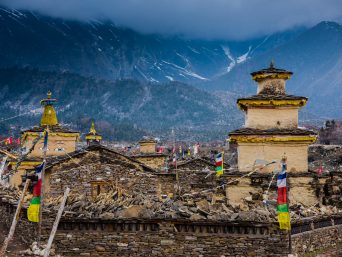
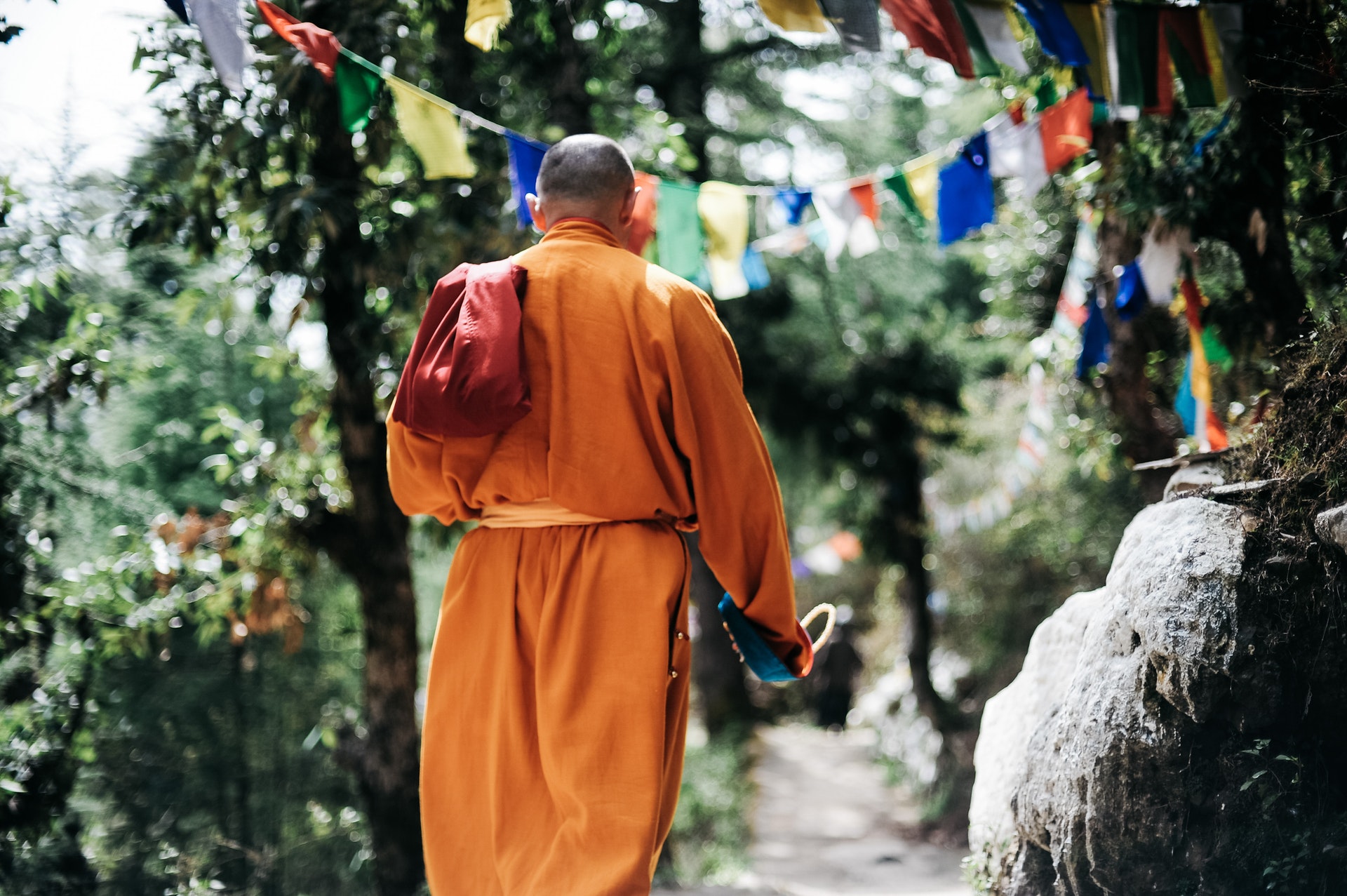
Explore the Tibetan Buddhist tradition, preserved and flourished, as you walk past mane walls, prayer wheels and chortens along the route.
Ancient Settlements
Visit ancient Tibetan villages such as Prok, Shyala, Sama Gaon and Samdo where centuries old Nubri traditions and customs are still preserved.
Majestic View of Mount Manaslu.
Enjoy the close up views of Mount Manaslu 8163 m, Himal Chuli, Ngadi Chuli, Ganesh Himal and Naike Peak.
Buddhist Monasteries
Visit or walk past Buddhist Monasteries in Lho, Pungyen, Samagaon and Samdo, and enjoy an overnight stay at a monastery in Hinang.
The Formidable Layka La
Cross the Larkya La 5106m, the highest point of the trek and embrace the achievement.
Diverse Landscapes
Experience the variations in landscapes and topography as you trek through the river valleys, forests, terraced fields, alpine meadows, moraines and glaciers.
Trip Introduction
Trek through the iconic and rich cultural heritage. Follow off-the beaten path and conquer the formidable Larkya La Pass.
The Manaslu Circuit Trek is the most iconic trekking route in the Manaslu area of Gorkha district in Nepal. The trek encompasses Mount Manaslu (8th highest peak, 8,163m), culminating in the crossing Larkya La 5106m. Manaslu Circuit trek is an ultimate off the beaten path that offers a unique immersion into Tibetan Buddhist Culture.
The Manaslu Region was closed to trekkers until 1992. This is the reason why it is a relatively remote trekking route than that of well-known trekking areas like Everest and Annapurna. However, it is still classified as a restricted area, and solo trekking in Manaslu Area is still forbidden by the government.
Join us on the Manaslu Circuit Trek and turn your 13-day adventure into a life-changing experience in the heart of the Himalayas.
Manaslu Circuit Trek – Essential Guide
The Manaslu Circuit Trek is one of Nepal’s most stunning and remote trekking adventures, taking you around the world’s eighth-highest mountain, Mt. Manaslu (8,163m). This challenging yet culturally rich journey offers incredible Himalayan scenery, peaceful trails, and an immersive experience into Tibetan-influenced mountain life. Here’s everything you need to know to prepare for the trek in 2025.
Kathmandu 1400m |30 min. Drive to Hotel.
Kathmandu 1400 m. | Half Day Sightseeing.
Machha Khola 823m | Driving for 9/10 Hrs.
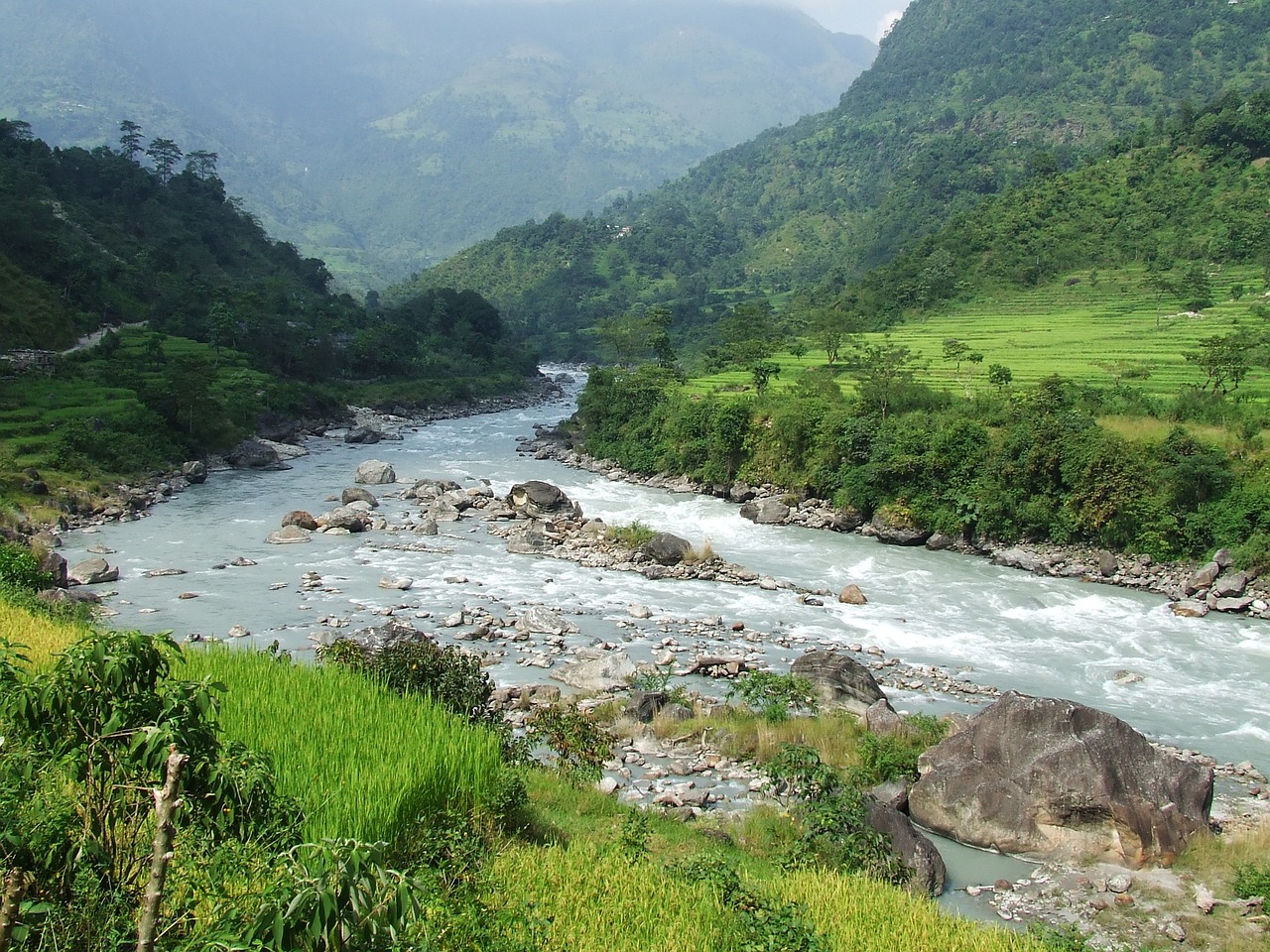
Jagat 1340m | Trekking for 7/8 hrs.

Deng 1860m | Trekking for 8/9 hrs.

Prok 2397m | Trekking for 5/6 Hrs.

Hinang Gomba 3121m | Trekking For 7/8 hrs.

Shyala 3500m | Trekking For 6/7 hrs.

Samagaon 3521m via Pungyen Monastery | Trekking for 5/6 hrs.
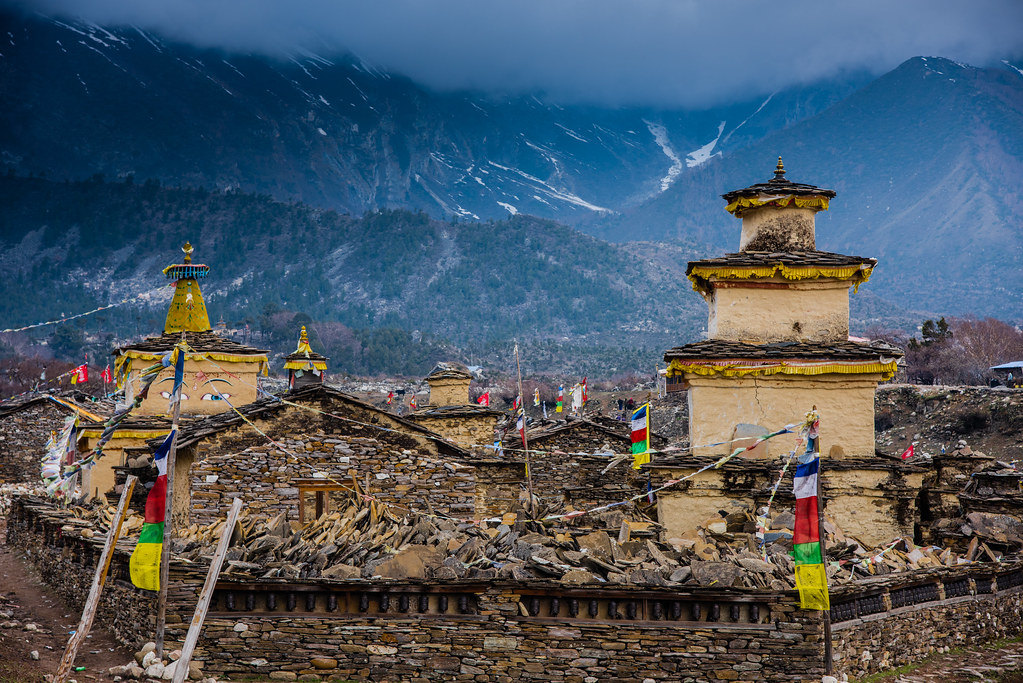
Samdo 3875m | Trekking For 3/4 hrs.
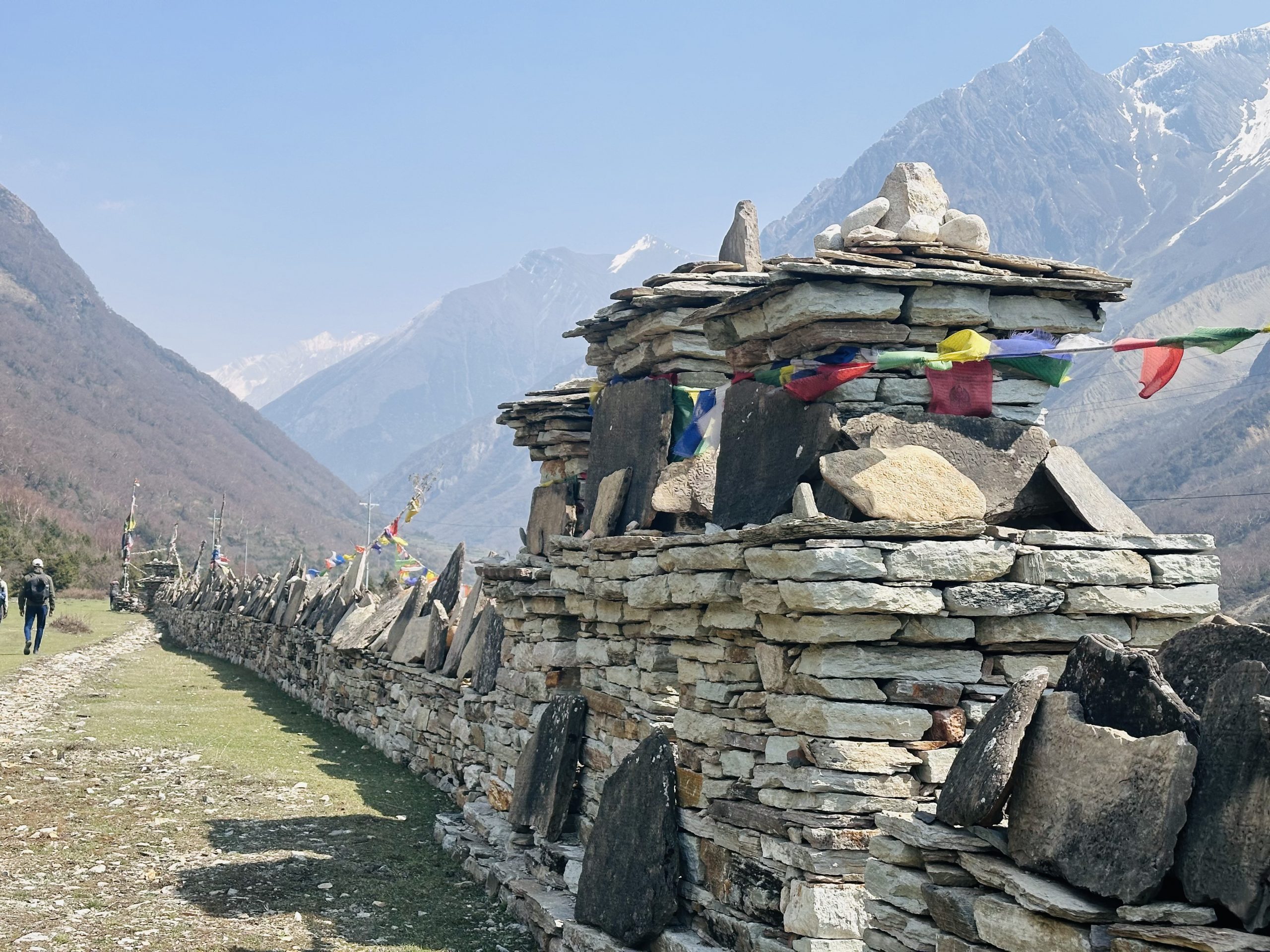
Samdo 3875m | Rest Day

Dharamshala 4460m | Trekking For 3/4 hrs.
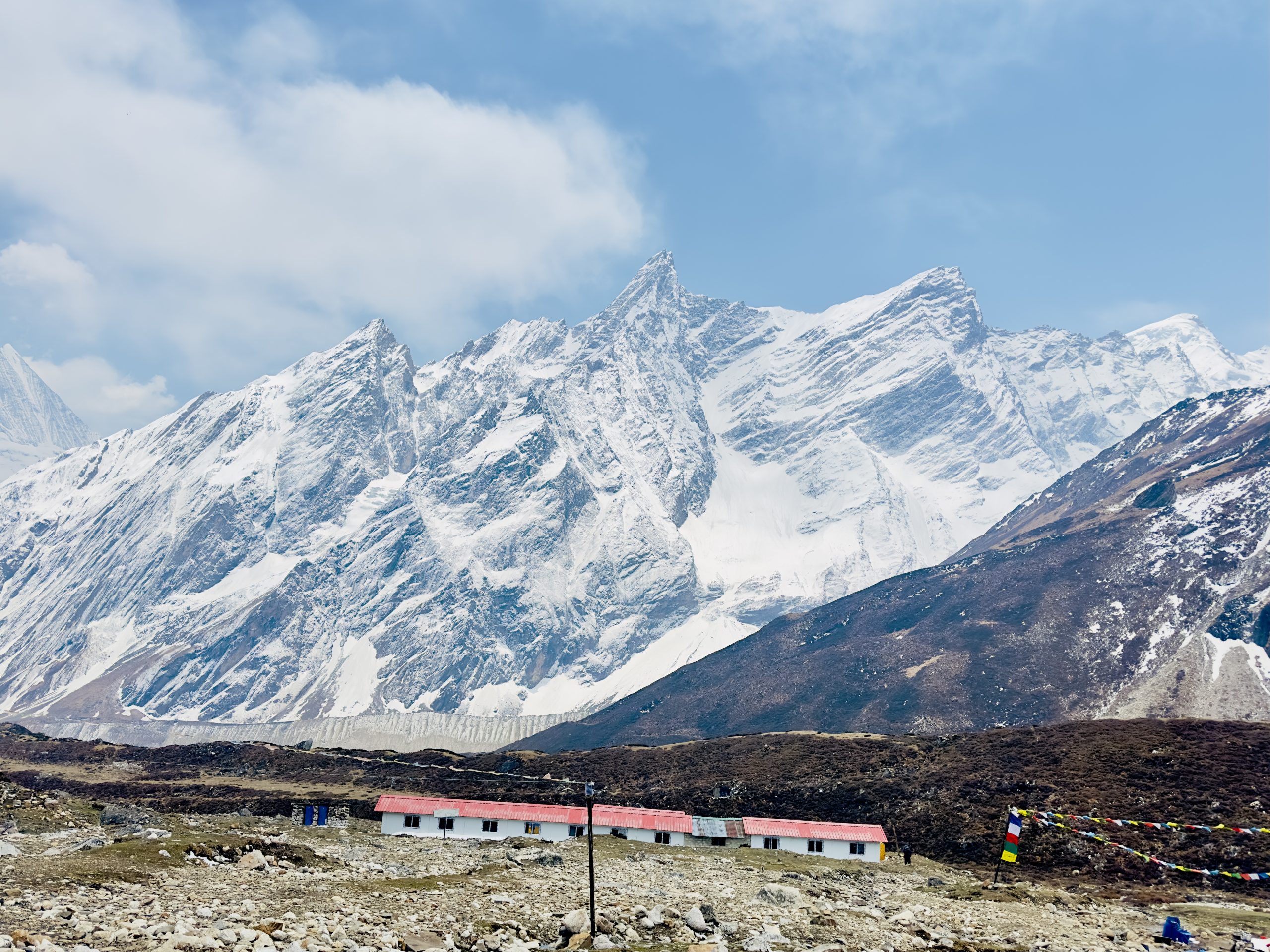
Larkya La Pass 5161m | Bimthang 3720m | Trekking for 10/11 hrs.
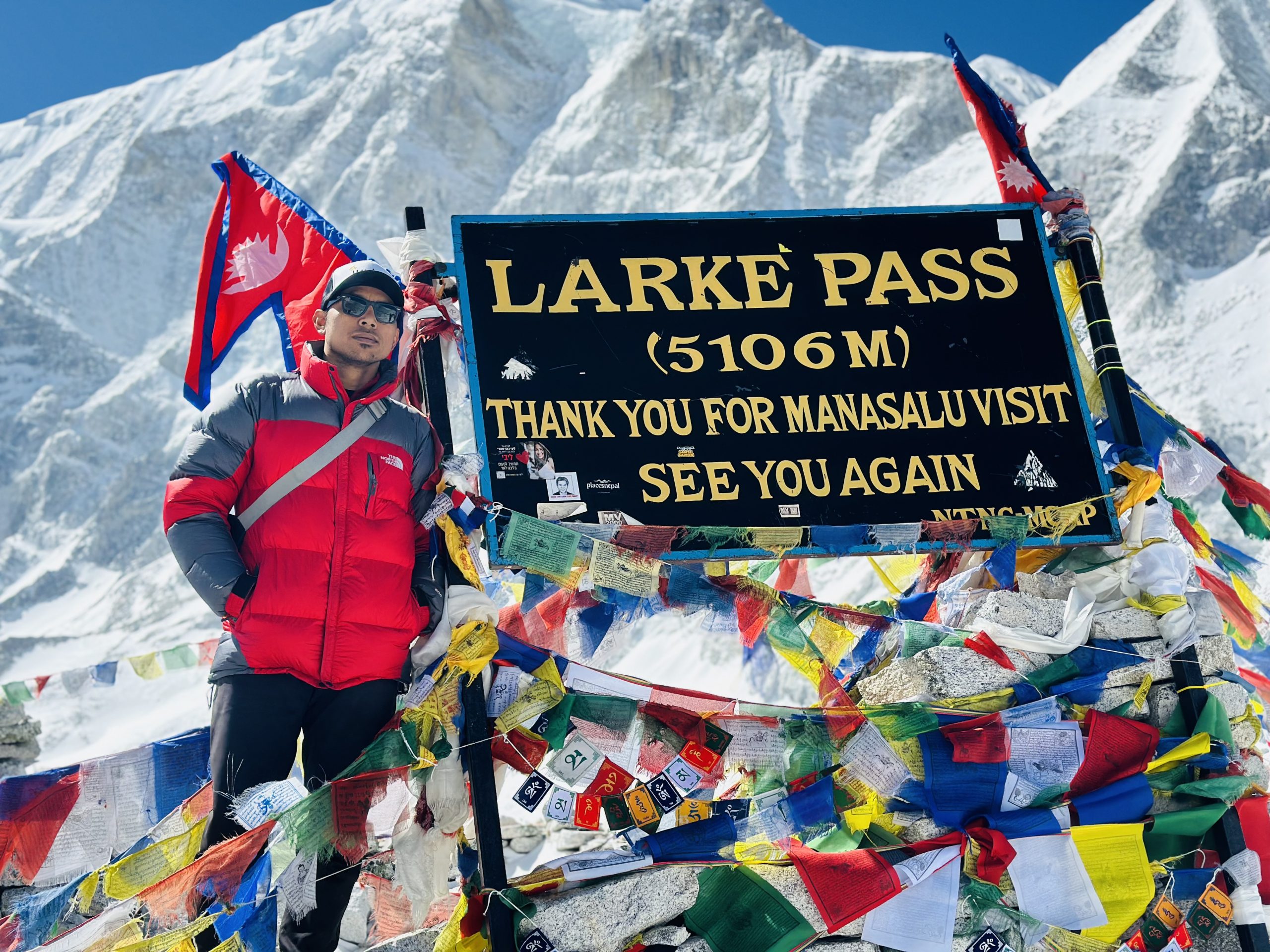
Gowa 2515m | Trekking for 5/6 hrs.
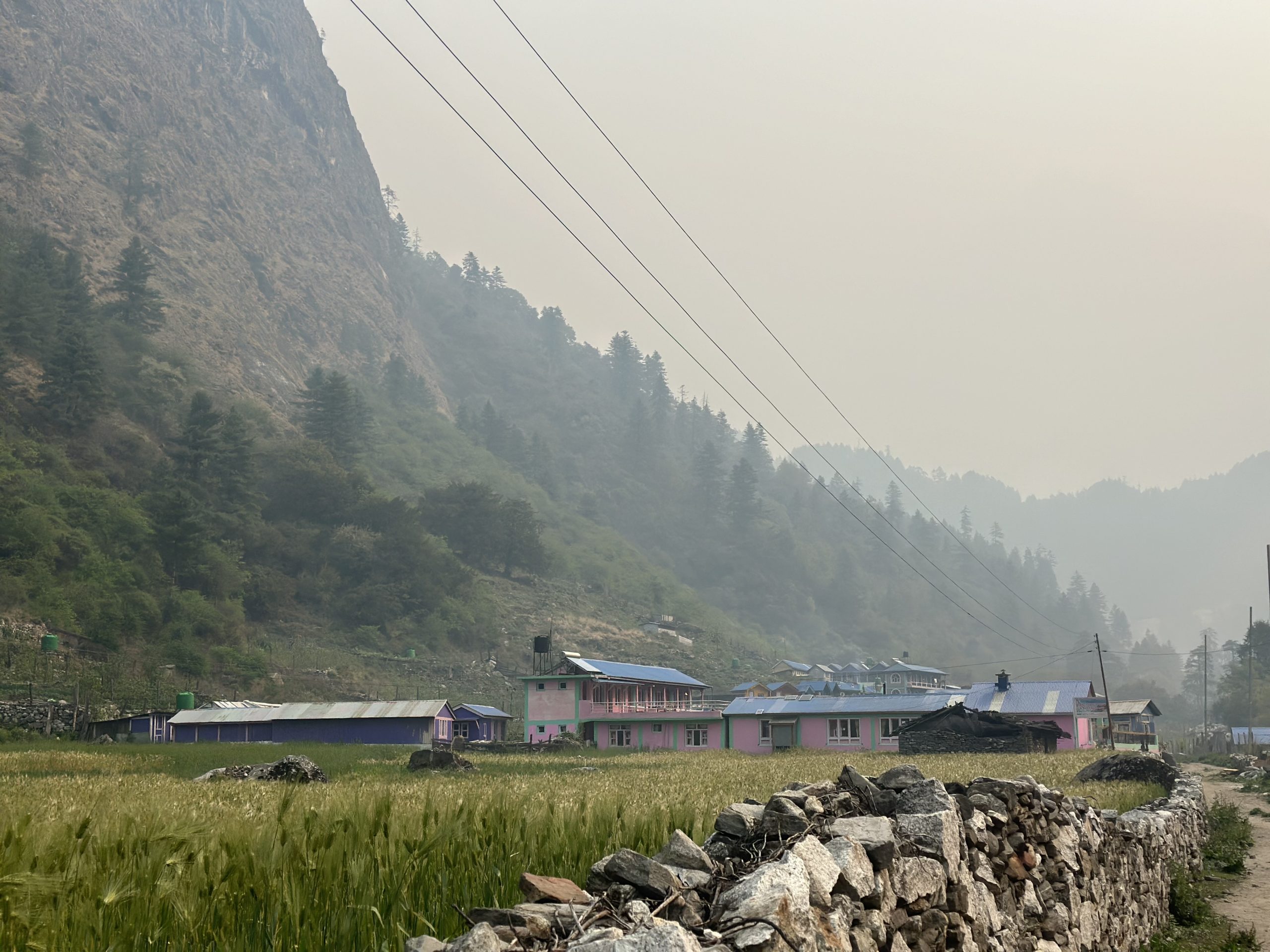
Bandipur 1015m | Trekking 1 Hrs. | Driving 5/6 Hrs.

Kathmandu 1300m | Driving For 5/6 Hrs.

Kathmandu 1400m | 30 Min Drive to Airport
Essential Gear
Waterproof shell: Gore-Tex recommended
Down jacket: for high altitudes
Warm Layers: base, mid, outer
Warm gloves, hat, and scarf
1 pair of lightweight trekking trousers or zip-off pants.
2 trekking t-shirts/shirts: merino is ideal
Trekking boots: broken-in
Socks
Sandals/sliders
Thermal sleeping bag
Headlamp and extra batteries
Sunglass
Day backpack (with waterproof cover)
Duffel bag and day backpack.(with waterproof cover)
Buff
Water Bottle: Two
Toiletries and Personal Items
Sunscreen, lip balm, moisturizer
Hand gel
Travel towel
Toilet paper
Water purification tablets or filters
Personal medication and first aid kit
Razors
Optional Items
Trekking poles
Hiking Shorts
Running Shoes or Sneakers
Power bank
Book or Kindle
Playing cards
Microspikes for icy conditions
Laundry clip
1 small roll of repair tape, 1 sewing repair kit.
1 small folding knife.
Maps.
Note and pen.
Thermal Flask
Adhesive Hand or toe warmer
Warm scarf
Fleece Pants
Blister stickers
What equipment can I rent in Kathmandu?
In Kathmandu, trekkers can rent essential gear such as sleeping bags and down jackets. These items are available at approximately NPR 250 per day per item. Renting equipment locally is a convenient option, especially for those who prefer to travel light or are on a budget.
What currency should I bring, and how do I exchange money?
Nepal operates on the Nepalese Rupee (NPR). It’s advisable to exchange major currencies like USD, EUR, GBP, or AUD in Kathmandu before commencing the trek. Banks typically offer better exchange rates than private booths; however, note that banks are closed on Saturdays. ATMs in areas like Thamel allow withdrawals of NPR 25,000 to NPR 35,000 per transaction, usually with a fee of around $5. Informing your bank about international transactions beforehand can prevent any unexpected blocks on your card.
What should I budget for daily expenses?
While the core components of the trek—such as accommodation, internal transportation, staff wages, and permits—are covered, trekkers should allocate an additional $35 to $40 per day for personal expenses. This budget should cover meals, extra snacks or drinks, hot showers, Wi-Fi access, charging electronic devices, and tips for the trekking staff.
Is it necessary to have a backup fund?
Yes, it’s prudent to have a contingency fund for unforeseen circumstances that may alter the itinerary. Situations such as extreme weather, natural disasters, pandemics, political unrest, road closures due to landslides or accidents, and personal health issues can lead to additional expenses that are not covered in the standard package.
What are the luggage and porter guidelines?
Each porter can carry up to 20 kg, typically shared between two trekkers. Therefore, it’s recommended to limit your personal gear to 10 kg. Excess luggage can be safely stored at your hotel in Kathmandu, usually free of charge, after completing a simple form provided by the hotel.
What is the composition of the support team?
Junkiri Treks provides an experienced trekking team to ensure safety and comfort. This includes a licensed lead guide for the group, one assistant guide for every four trekkers, and one porter per two trekkers. All team members are insured and trained in altitude safety and mountain rescue protocols.
How should I manage drinking water during the trek?
Access to clean drinking water is crucial. Trekkers have several options: using purification tablets (available in Kathmandu pharmacies), carrying water filters (either external or integrated into bottles), purchasing boiled water at tea houses (costing between NPR 200 to NPR 600 per liter), or buying bottled water (ranging from NPR 100 to NPR 400 per liter). While bottled water is convenient, it’s less environmentally friendly; therefore, using purification methods or boiled water is recommended.
What are the accommodations like on the Manaslu Circuit Trek?
Accommodations are primarily in tea houses, which offer basic yet functional lodging. Rooms usually have twin beds with minimal furnishings. While blankets are provided, bringing a personal sleeping bag is advisable. Most tea houses have shared squat-style toilets and limited electricity, except in areas like Dharamshala, where facilities are more basic and electricity is unavailable. For a detailed overview, visit our Manaslu Circuit Trek page
What type of food is available during the trek?
The tea houses offer a variety of meals, including traditional Nepali dishes like dal bhat (rice with lentil soup and vegetables), momos (dumplings), Tibetan bread, and Sherpa stew. Western options such as pasta, pizza, pancakes, porridge, and eggs are also commonly available. Garlic soup is a popular choice among trekkers for its reputed benefits in preventing altitude sickness.
Is internet access available during the trek?
The Internet is available at most tea houses in the Manaslu area but comes with additional charges, anywhere between 100-200 NPR. As of now, 4G service is not available in Manaslu Area so do not rely on local sim cards for the internet.
How difficult is the Manaslu Circuit Trek?
The trek is considered moderate to challenging, covering approximately 175 km over 13 days, with daily walking durations ranging from 4 to 10 hours. The route involves significant elevation changes, rugged terrain and long distances, requiring a good level of physical fitness. Pre-trek training is strongly recommended.
Is there a risk of altitude sickness?
Yes, due to the high elevations gained during the trek, there’s a risk of Acute Mountain Sickness (AMS). Symptoms can include headaches and nausea. To mitigate this risk, it’s important to acclimatize properly, maintain a steady pace, stay hydrated, and listen to your body’s signals. For comprehensive information, read our blog on Altitude Sickness: What Every Trekker Should Know.
How should I train for the Manaslu Circuit Trek?
Given the trek’s demands, it’s essential to engage in physical training before the journey. This should include cardiovascular exercises, strength training, and practice hikes to build endurance and prepare your body for the challenges ahead.
Is solo trekking allowed on the Manaslu Circuit?
Solo trekking is not permitted in the Manaslu region, as it’s designated a restricted area. Trekkers must be in a group of at least two and accompanied by a licensed guide from a registered trekking company. Traveling with a guide also offers benefits such as assistance with accommodations, navigation, and handling unforeseen situations.
Is the Manaslu Circuit Trek suitable for beginners?
While the trek is challenging, beginners who lead an active lifestyle and engage in adequate pre-trek training can undertake the Manaslu Circuit Trek successfully. Hiring support staff to carry your backpack and customizing the itinerary to match your fitness level can enhance the experience.
When is the best time to trek the Manaslu Circuit?
The optimal trekking seasons are autumn (September to November) and spring (March to May), offering stable weather, clear mountain views, and favorable trail conditions. Planning your trek during these periods ensures a more enjoyable and safer experience.
Can I bring a drone?
Taking a drone inside the Manaslu National Park and Restricted area requires a permit from the National Park Authority and the government of Nepal. The process to obtain a permit is lengthy and costly. If you intend to bring a drone please let us know in advance so that we can begin the process.
Length
Due to the construction of roads in lower Budhi Gandaki Valley, the length of Manaslu Circuit trek is shrinking. To complete the trek it takes you 12 days (only in mountains) but ongoing road construction along the western bank of Budhi Gandaki River can reduce the length of trekking in the future by a couple of days. If you have flexibility, you can combine Manaslu Circuit Trek with Tsum Valley Trek which can offer you an immersive experience.
Difficulty Level
Manaslu Circuit trek is leveled as moderate to strenuous for its length, remoteness and the elevation profile. Being one of the best high altitude treks in the Himalayan foothills, this involves 13 days of walking on the remote trails, leading to the Larky La at the elevation of 5106m above the sea.
Why Manaslu?
The stunning mountain views and immediate variations in landscapes, unique terrain and rich culture make the Manaslu Circuit Trek one of the best high-altitude treks in the Himalayas. The trekking trails are not crowded, even in the high trekking season. The tea houses are cozy and retain their authentic charm, unspoilt by mass tourism. The food options in Manaslu Circuit trek are limited but taste great. As you trek higher up you will have panoramic views of Mt. Manaslu and its neighbouring peaks. Moreover, the ancient Tibetan settlements, Buddhist chortens and mane walls and monasteries provide rich cultural experience. Scaling the formidable height of Larkya La Pass at 5160m provides you a sense of accomplishment. Manaslu Circuit trek has an extra layer of beauty that you won’t find elsewhere.
Route
The Manaslu Circuit trek starts from Kathmandu, with a drive to Machha Khola, followed by a trek to Jagat. The trail crosses the Budhi Gandaki River a couple of times on suspension bridge, before veering towards the westward from Nyak village. Walking through lush forest, gorges and ravines the path leads you to Deng village.
The route crosses the Budhi Gandaki River near Bhi and climbs on a side trail to Prok village. After an overnight stay at Prok village, the path drops to Ghyapsa, meeting the main trail again. After walking through the village of Namrung, the trail branches off the main trail again near Lhi village, and ascends to Hinang Gomba (Monastery) for overnight stay. Retrace the path the next day to rejoin the main trail and stay in Shyala Village.
Unlike most itineraries, ours includes a night in Shyala Village, instead of two nights in Smagaon, as it offers an opportunity for a side trip to Pungyen Monastery, hidden gem of Manaslu Circuit Trek. Enjoy panoramic views of Mt. Manaslu, Himal Chuli, Ngadi Chuli, and Pangboche from Pungyen Monastery. Rejoin the main trail upon descending, and overnight in Samagaon. From Samagaon, trek to Samdo and stay two nights there for acclimatization. The path meanders to Dharamshala, the last resort before crossing the pass. The path to Larkya La pass goes through moraine, glaciers and lakes. Upon crossing pass, you enter Annapurna Conservation Area and spend two overnights in the villages of Bimthang and Gowa, before meeting Annapurna Circuit Trek at Dharapani. Drive further to Bandipur and spend a night. Drive back to Kathmandu the next day.
Best Time to Trek the Manaslu Circuit
The best time to trek the Manaslu Circuit is during the Autumn (September to November) and Spring (March to May) seasons. These months offer the most stable weather, clear mountain views, and ideal conditions for crossing Larke Pass and exploring the remote Himalayan landscapes.
Plan your journey during these peak trekking seasons to enjoy rhododendron blooms, crisp skies, and safe trail conditions.
Atmosphere and Experience
From serene valleys and terraced hillsides to high mountain passes and glaciers, the Manaslu Circuit offers breathtaking contrasts. Mornings bring crisp mountain air and clear views, while evenings invite warm conversations around the fire.
As you approach Larkya La Pass (5,106m), the trek becomes more physically demanding, offering a true sense of accomplishment.
A Typical Day in the Mountains.
Start trekking by 8–9 AM
Tea break mid-morning
Lunch around noon at a local lodge
Arrive at the destination by late afternoon
Evening briefing and social time in the dining hall
Dinner served by 6:30–7 PM
Cultural Considerations.
The Manaslu region is home to diverse ethnic groups, including Gurungs, Tamangs, and Tibetan-influenced communities. Respect local customs and avoid giving money or sweets to children. Bargaining is accepted in local markets, but prices in restaurants are fixed.
Manaslu Trek Weather Conditions
Expect the Unexpected
Weather in the Manaslu region is unpredictable, especially at high altitudes. Even during peak seasons (spring and autumn), be prepared for rain, clouds, and even snow.
Fitness Required
Hiking with a backpack at least once a week, three months before the trip is recommended. Other exercises like jogging, running, and cardio regularly help you a lot.
Getting to the Trailhead
Arriving in Kathmandu
Your journey begins and ends in Kathmandu, Nepal’s capital. To ensure a smooth start to your Manaslu Circuit adventure, plan to arrive before 3 PM local time on your scheduled arrival day. This allows time for a group meeting, gear check, and a welcome dinner.
Visa Information for Nepal
Visa on Arrival at Kathmandu Airport
Tourists can easily obtain a Nepal visa on arrival at Tribhuvan International Airport in Kathmandu. After landing, complete the visa form at a kiosk, pay the required fee at the payment counter (USD 30 for 15 days, USD 50 for 30 days), and proceed to the immigration counter for your visa.
Tip: Bring cash (preferably USD) to avoid delays, as card payments may not always be reliable.
Passport Photos?
You don’t need to bring passport-sized photos for the visa—photos are taken digitally at the kiosk.
Arrival and Ground Transportation
Airport Pickup and Transfers
After clearing customs, look for our team member holding a Junkiri Treks sign with your name at the arrival gate. You’ll be escorted to your hotel in Kathmandu, where you’ll relax before the trek.
Private Transportation Included
All ground transportation mentioned in the itinerary—including transfers to and from the trailhead—is provided via private vehicles, by default.
However, we can also switch from private to local vehicles if you prefer.
Tourists can easily obtain a Nepal visa on arrival at Tribhuvan International Airport in Kathmandu. After landing, complete the visa form at a kiosk, pay the required fee at the payment counter (USD 30 for 15 days, USD 50 for 30 days), and proceed to the immigration counter for your visa.
Tip: Bring cash (preferably USD) to avoid delays, as card payments may not always be reliable.
Passport Photos?
You don’t need to bring passport-sized photos for the visa—photos are taken digitally at the kiosk.
Trekking Permits for the Manaslu Region
Permits You’ll Need
The Manaslu Circuit Trek lies in a restricted area, so special permits are mandatory:
- Manaslu Restricted Area Permit (MRAP)
- Manaslu Conservation Area Permit (MCAP)
- Annapurna Conservation Area Permit (ACAP)
These permits are handled by Junkiri Treks and will be arranged before the trek begins.
Trekking Safety Tips
Listen to your guide for advice on pacing, rest stops, and acclimatization.
Trek with a first aid kit and personal medication.
Hydrate and pace yourself, especially above 3,000 meters.
Tea Houses and Lodges
In towns, you will stay at standard hotels with attached bathroom, hot showers, wifi and breakfasts.
You’ll stay in local tea houses with basic but cozy amenities. Accommodations typically feature:
- Twin-sharing rooms
- Communal dining halls
- Shared toilets and bathrooms
- Limited hot water and electricity at higher elevations
At Dharamsala, facilities are minimal due to remoteness.
Foods
The tea houses offer a variety of meals, including traditional Nepali dishes like dal bhat (rice with lentil soup and vegetables), momos (dumplings), Tibetan bread, and Sherpa stew. Western options such as pasta, pizza, burgers, pancakes, porridge, and eggs are also commonly available. Garlic soup is a popular choice among trekkers for its reputed benefits in preventing altitude sickness.
How to get there?
The trip starts and ends in Kathmandu so make sure to book the flight accordingly. You can book any flight you want that fits your trip’s start and end date. However, it is good to arrive before 3 pm local time so that you can make it to the group meeting and welcome dinner.
Weather Conditions
The weather should be good if you do this trek in peak season. But having said that it is advisable to be prepared for rain, clouds, and snow as these factors can significantly impact your trek schedule. The weather has been pretty unpredictable for the past few years due to global warming.
Fitness Required
Hiking with a backpack at least once a week, three months before the trip is recommended. Other exercises like jogging, running, and cardio regularly help you a lot.
Best Season
Any month between September to May but September to November and March to May are considered best.
Atmosphere of the Trek
As you hit the trail, the tapestry of the mule train, suspension bridge, quaint villages, and lush forest brings you lots of energy and excitement. Morning offers stunning views and fresh air while evening provides an opportunity to be social, by the fire talking to your fellow trekkers, playing cards, riddles, or other fun games. But the steep trails and cold tea houses can bother you at times. But try to get the best out of what is before you, and you will have the experience of a lifetime.
A typical day in the mountains.
A typical day begins between 8-9 am depending on the length you are to cover. After walking for a couple of hours, there is a tea break, followed by a lunch break at another place. Upon reaching the overnight lodge, check in your room, freshen up and gather in the dining hall, order dinner, and get it served between 6 to 7 pm. After dinner, you will get the briefing about the next day and play cards, riddles, and other fun games.